Best Biohacking Wearables & Health Tracker Startups Worth Watching in 2026
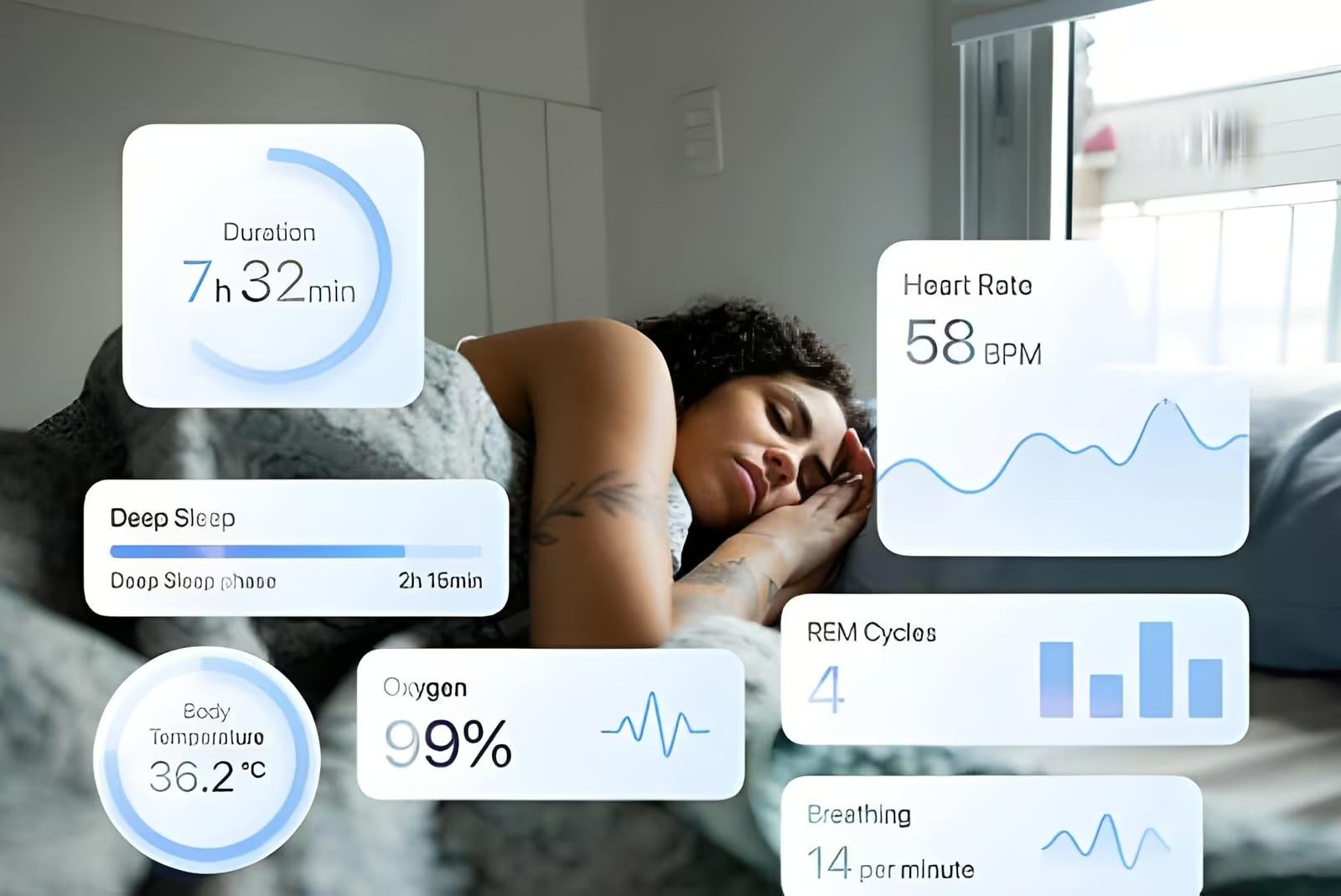
Have you noticed how everybody suddenly seems to be tracking something? Sleep scores. Stress levels. Glucose spikes. Recovery. One bad night now comes with charts and warnings by breakfast.
Here’s the thing: most people don’t want more gadgets. They want answers. Why am I tired all the time? Why does my focus crash at 2 PM? Why do I wake up exhausted after eight hours of sleep?
That’s why biohacking wearables are exploding right now. Startups are building devices that promise to turn your body into real-time data. Some are genuinely useful. Others feel like expensive anxiety machines strapped to your wrist.
So which companies are actually worth paying attention to in 2026? Let’s break down the startups pushing health tracking into the future and which ones might actually help you feel better.
Why Biohacking Wearables Are Suddenly Everywhere
A few years ago, most health trackers were glorified step counters. They buzzed when you sat too long and congratulated you for walking to the fridge.
Now? These devices are trying to understand your entire body.
People are wearing smart rings to track sleep quality down to tiny temperature changes. Athletes check HRV scores before workouts. Entrepreneurs monitor glucose spikes after lunch like stock traders watching markets.
And honestly, it makes sense.
Modern life wrecks people quietly. Bad sleep. Constant stress. Too much caffeine. Screens at midnight. Energy crashes nobody can explain. Most people don’t feel “healthy.” They just feel slightly tired all the time and assume that’s normal.
That’s where biohacking companies stepped in.
Instead of waiting for yearly doctor visits, these startups promise real-time feedback every single day. The pitch is simple: if you can measure your body, maybe you can improve it.
AI also changed the game completely.
The new wave of wearables doesn’t just dump raw numbers onto a dashboard. They try to tell users what the data means:
- Why your recovery score dropped
- Why your sleep quality tanked
- Why your stress levels spiked
- Why your workouts suddenly feel harder
That shift matters.
Most people don’t want spreadsheets. They want clarity. They want someone or something to connect the dots.
At the same time, social media poured gasoline on the trend. Podcasts, longevity influencers, fitness creators, and startup founders turned “optimized health” into a lifestyle. Suddenly people weren’t just trying to live longer. They wanted better energy, sharper focus, deeper sleep, and fewer burned-out mornings.
And startups saw a massive opportunity.
Big tech companies still dominate mainstream fitness tracking, but smaller biohacking brands move faster. They experiment more. They chase niche problems. They build products for people obsessed with performance, recovery, and longevity.
Some of these companies could shape the future of healthcare.
Others may disappear within a few years.
Right now, the space feels a bit like the early smartphone era: exciting, crowded, innovative, and occasionally ridiculous.
Best Emerging Biohacking Wearable Companies in 2026
Some of these startups are becoming serious players in health tech. Others still feel experimental. But all of them are pushing the wearable industry far beyond simple fitness tracking.
And honestly, that’s what makes this space so interesting right now.
1. WHOOP
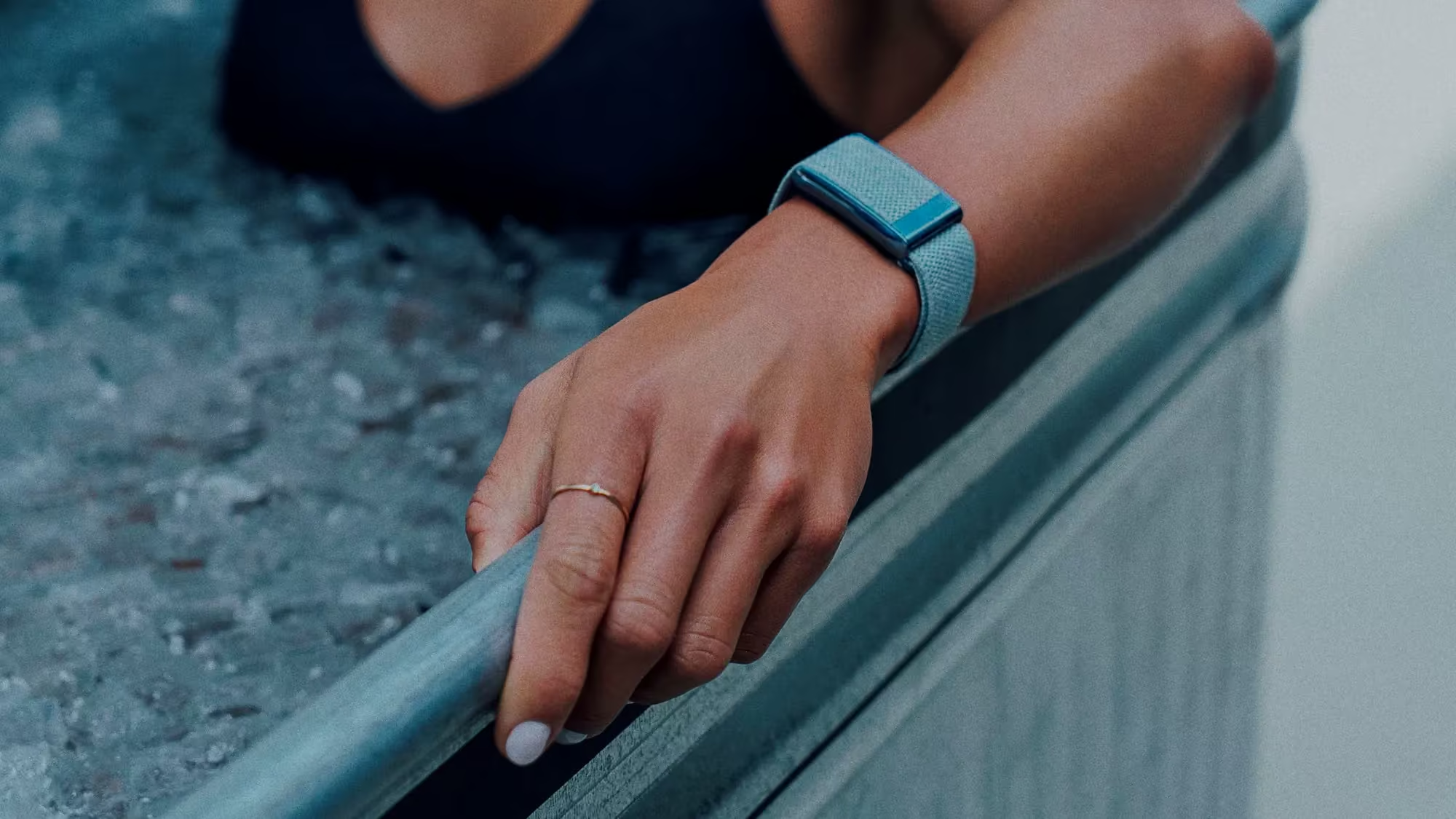
WHOOP built its reputation around one idea: recovery matters more than grinding harder.
Unlike traditional smartwatches, WHOOP doesn’t even have a screen. The company stripped away distractions and focused almost entirely on performance optimization. Its wearable tracks strain, sleep, recovery, resting heart rate, and HRV to help users understand how prepared their body is each day.
Athletes, founders, and high-performers love the “coach-like” experience. Instead of obsessing over steps, users get recommendations on sleep, training intensity, and recovery habits.
The catch? The subscription model turns some people off fast. Long-term costs add up quickly compared to one-time-purchase wearables.
Still, WHOOP helped normalize the idea that recovery is measurable and that changed the industry.
Best for: recovery optimization and performance tracking
2. Oura Health
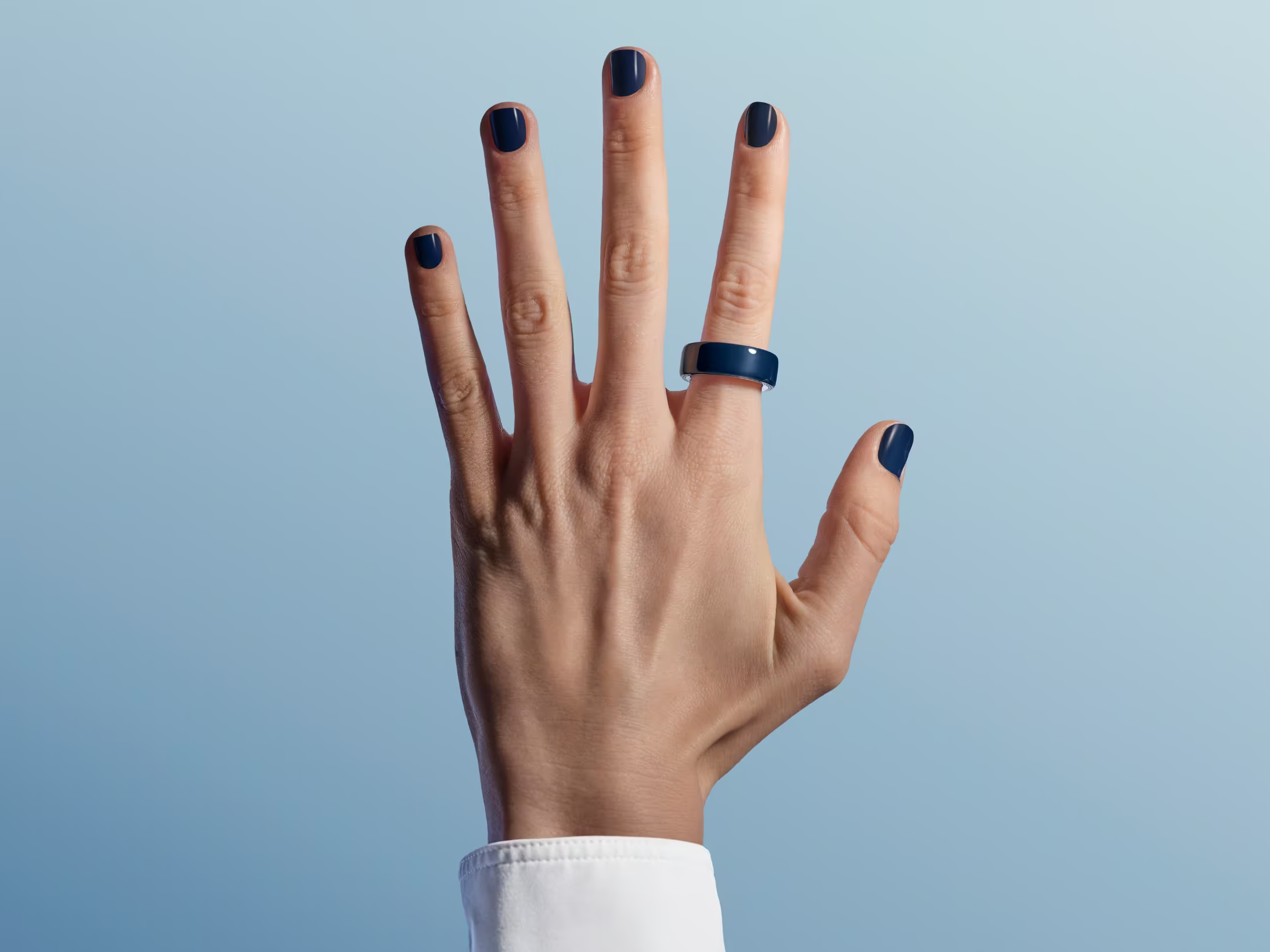
Oura helped turn smart rings from niche gadgets into mainstream health wearables.
The company became famous for sleep tracking, readiness scores, and minimalist design. Many users prefer it because it feels invisible compared to bulky smartwatches. You wear it like normal jewelry, and it quietly tracks your body in the background all day.
What really made Oura explode was timing.
People became obsessed with sleep quality during the wellness boom, and Oura positioned itself as the premium “know your body” device for entrepreneurs, athletes, and longevity enthusiasts.
Its app experience is also cleaner and less overwhelming than many competitors.
That said, some users still prefer watches for workout tracking and real-time interaction.
Best for: sleep tracking and passive health monitoring
3. Levels
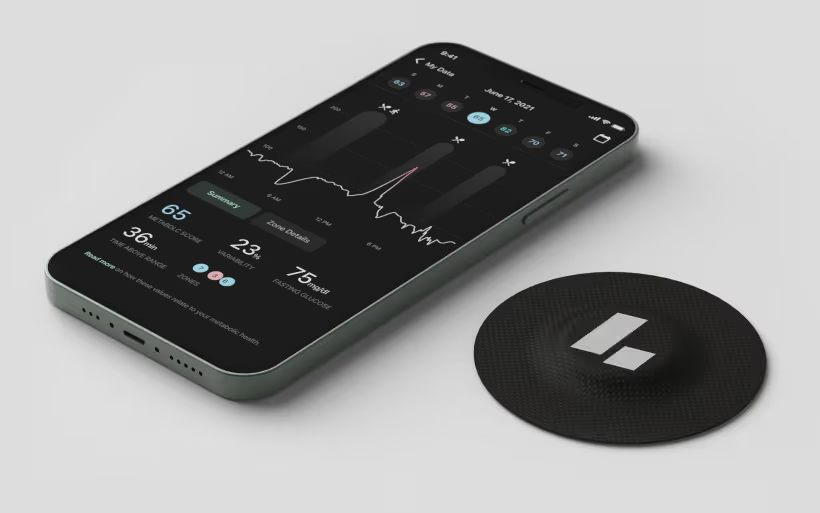
Levels made continuous glucose monitoring cool outside the diabetes world.
That alone is impressive.
The startup uses CGMs to show users how food affects blood sugar in real time. Suddenly people could see which meals caused crashes, spikes, brain fog, or energy dips.
For many users, the experience is eye-opening.
Healthy-looking smoothies sometimes spike glucose harder than dessert. Certain “healthy” breakfasts leave users tired an hour later. Levels turned metabolism into something visible instead of mysterious.
That helped launch the current obsession with metabolic health.
The downside is obvious though: wearing a glucose sensor isn’t exactly subtle or comfortable for everyone.
Still, Levels helped shift biohacking toward nutrition awareness instead of just fitness metrics.
Best for: metabolic health and nutrition optimization
4. Eight Sleep
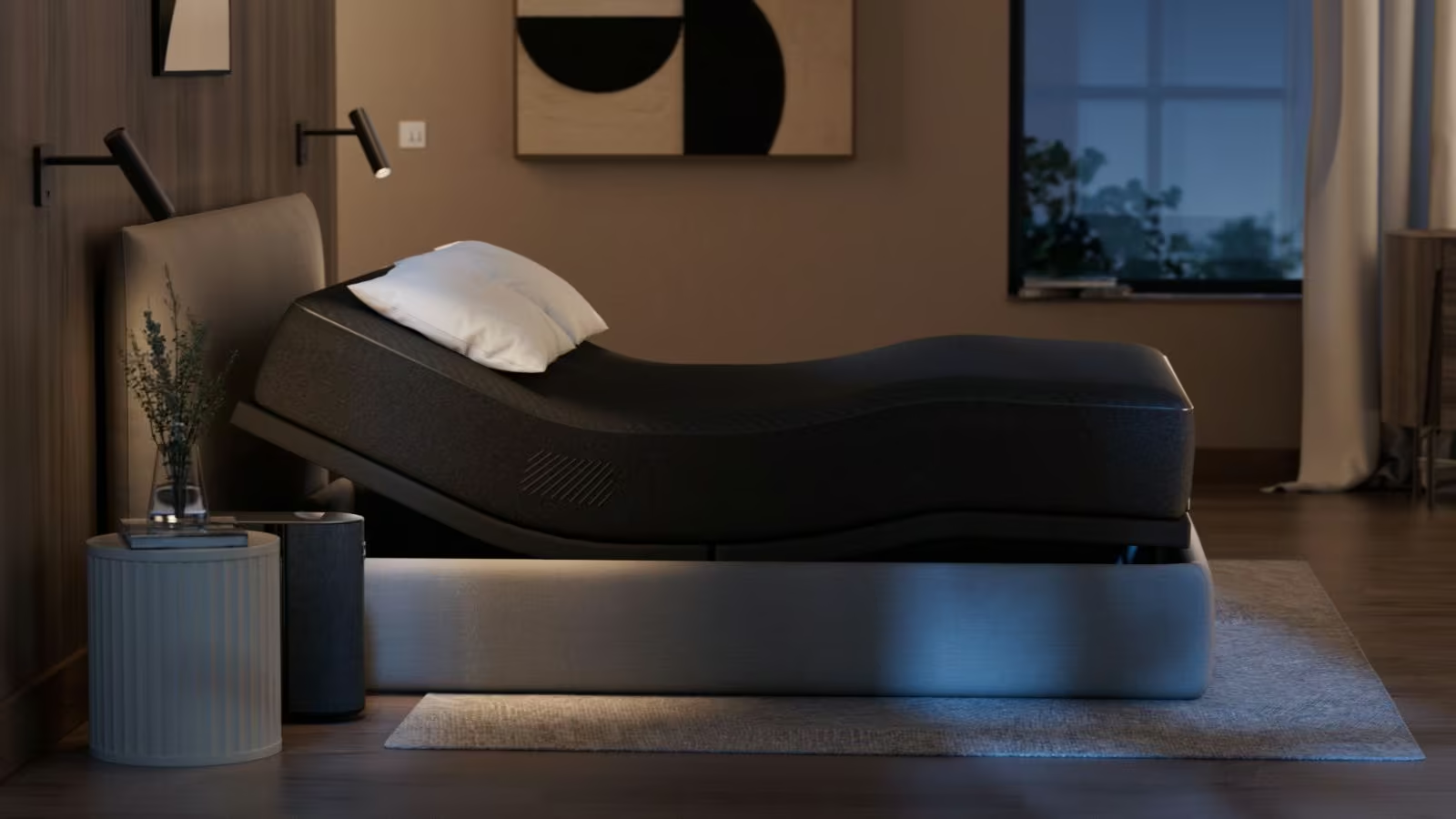
Eight Sleep went in a completely different direction.
Instead of building another wrist wearable, the company focused on the bed itself.
Its smart mattress systems actively adjust temperature during the night to improve sleep quality and recovery. And surprisingly, temperature regulation matters far more than most people realize.
A room that’s too warm can quietly wreck deep sleep.
Eight Sleep tracks biometrics while cooling or heating different sides of the mattress automatically throughout the night. The company positioned itself as premium recovery technology rather than traditional sleep tracking.
The price tag is intense though.
For many people, this crosses the line from “health gadget” into luxury biohacking territory.
But among serious performance-focused users, Eight Sleep has built an almost cult-like following.
Best for: elite sleep optimization and recovery
5. Ultrahuman
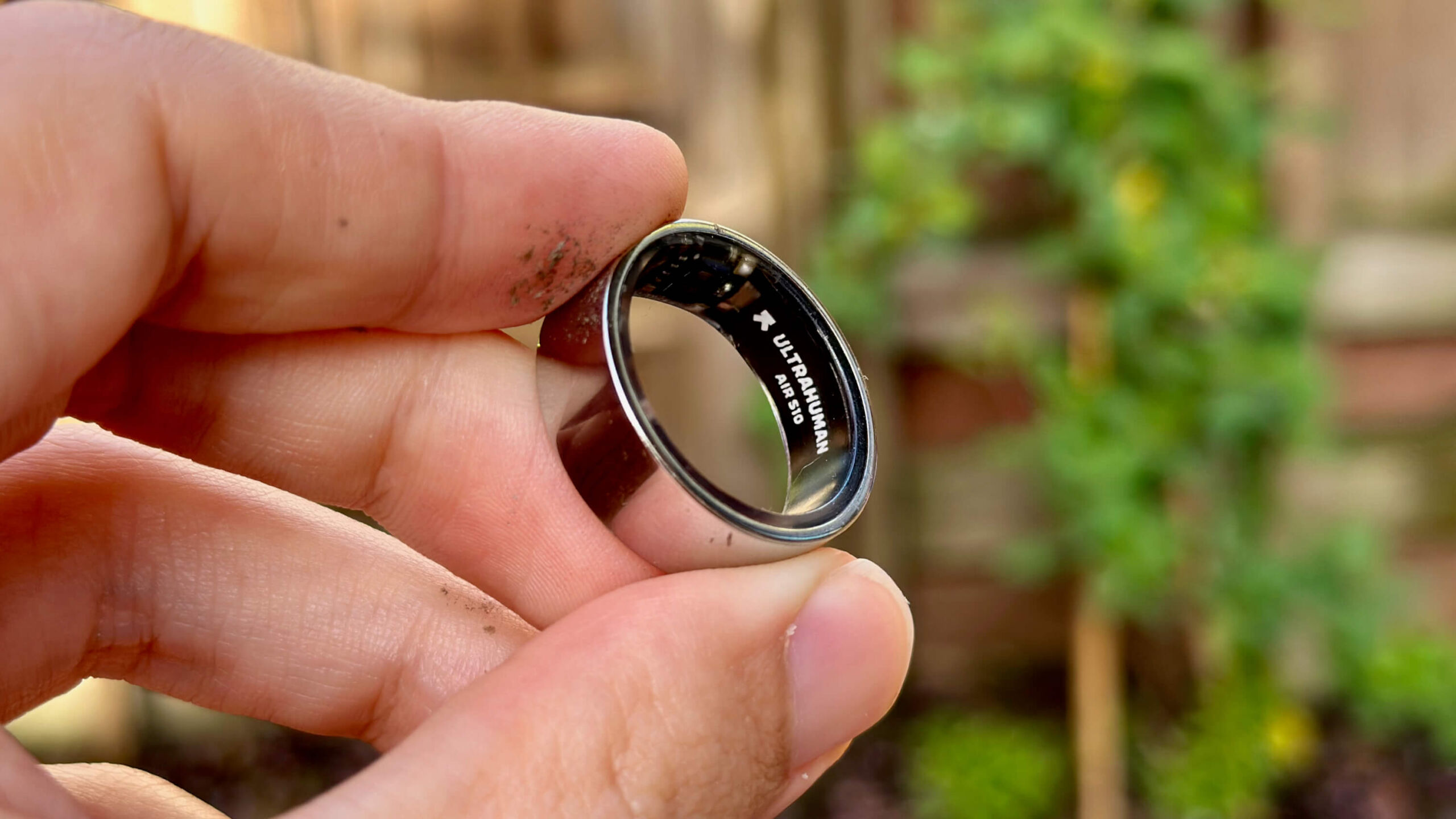
Ultrahuman is one of the fastest-rising names in the biohacking space right now.
The company blends smart rings, metabolic tracking, and recovery insights into a larger health ecosystem. In many ways, it feels like a direct challenger to both Oura and Levels at the same time.
What makes Ultrahuman interesting is its positioning.
Instead of focusing only on fitness or sleep, it leans heavily into metabolic fitness, energy optimization, and long-term healthspan tracking.
The brand also feels younger and more aggressive than older wearable companies. That resonates with biohackers who want deeper data and experimentation.
The challenge will be maintaining accuracy and trust as the company scales quickly.
But right now, Ultrahuman feels like one of the startups with the biggest momentum.
Best for: all-in-one biohacking and metabolic tracking
6. Apollo Neuro
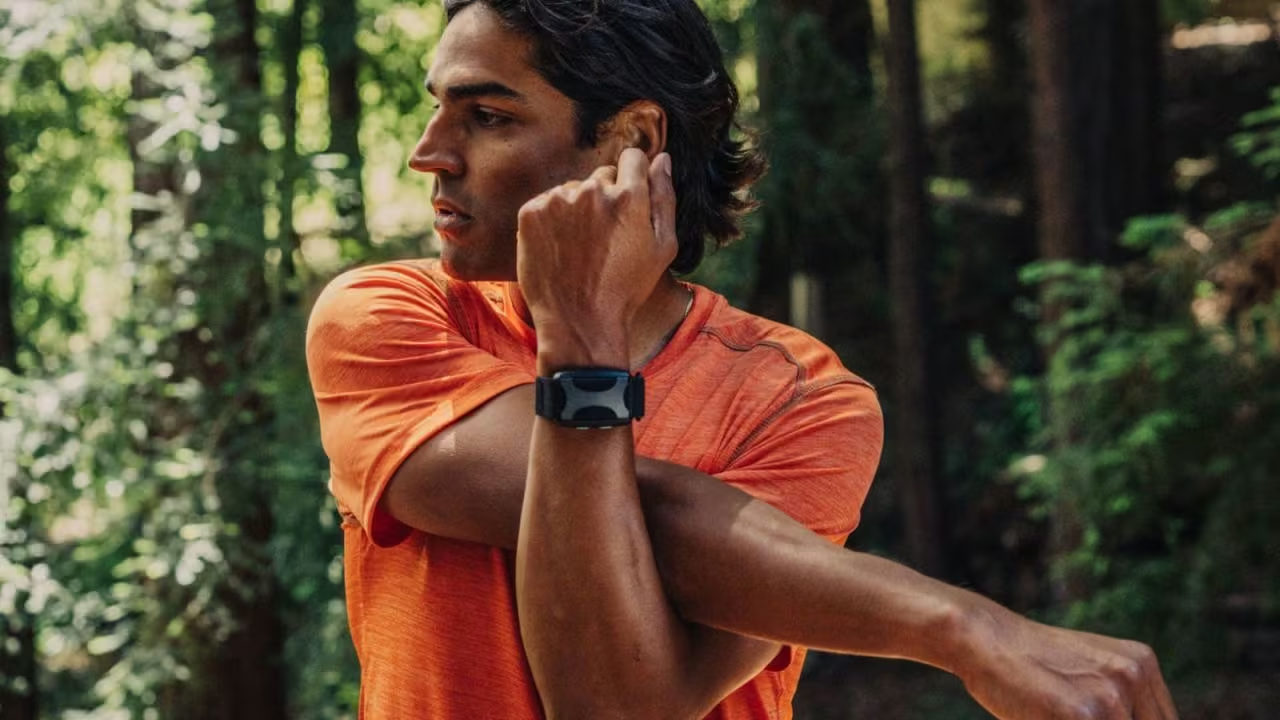
Apollo Neuro focuses on something most wearables barely touch: the nervous system.
The device uses gentle vibrations that supposedly help users feel calmer, more focused, or more relaxed depending on the selected mode. The company claims the wearable can influence stress responses through touch-based signals.
Some users swear by it.
Others remain skeptical.
That tension makes Apollo fascinating because it sits right on the border between neuroscience, wellness, and biohacking experimentation.
Even so, stress regulation is becoming one of the fastest-growing areas in wearable tech. Burnout is everywhere, and people are actively searching for tools that help them calm down without medication.
Apollo tapped into that demand early.
Best for: stress management and nervous system regulation
7. Muse
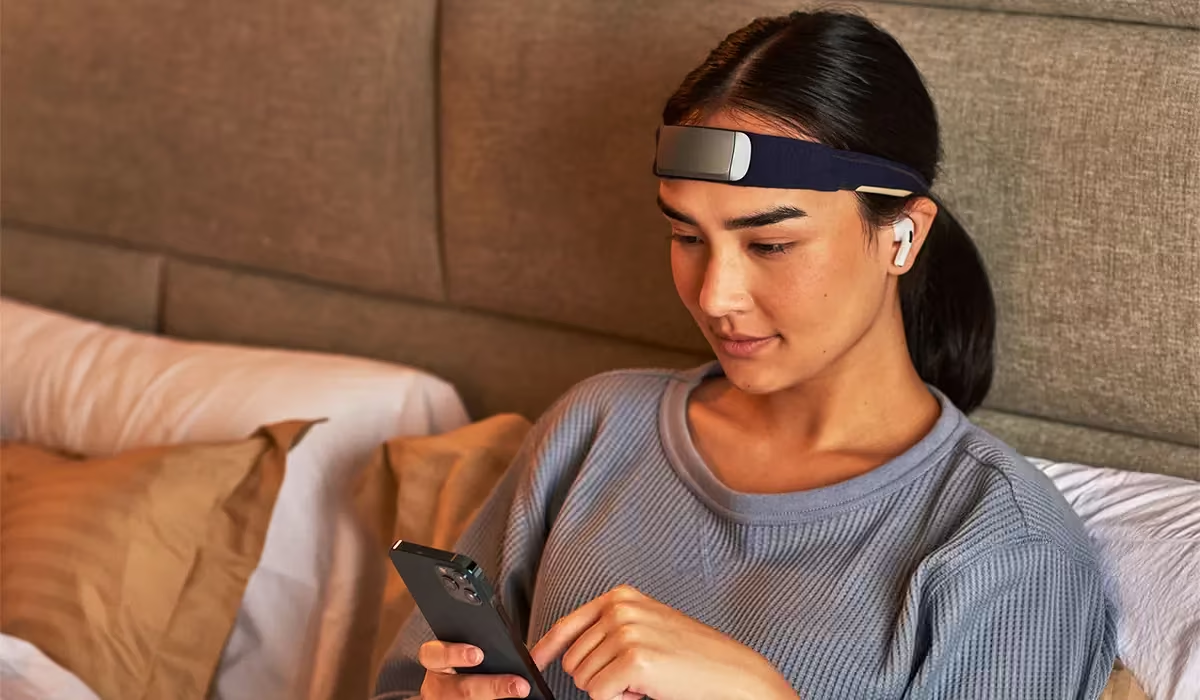
Muse took meditation and made it measurable.
Its EEG-powered headband tracks brain activity during meditation sessions and gives users real-time audio feedback based on mental calmness or focus.
That sounds futuristic because it kind of is.
Instead of guessing whether meditation is “working,” users get direct feedback from their brain activity patterns.
For beginners, that can make mindfulness feel less abstract and frustrating.
Muse also helped introduce neurofeedback to mainstream wellness audiences long before most people even knew what EEG wearables were.
The downside is simple: some users find headbands awkward for consistent daily use.
Still, the company carved out a unique niche almost nobody else dominates.
Best for: meditation training and focus improvement
Wearable Categories Explained (So Readers Don’t Waste Money)
One of the biggest mistakes people make with biohacking wearables is buying the wrong category entirely.
A sleep-focused smart ring won’t replace a serious sports watch. A glucose monitor won’t magically improve fitness. And a meditation headband probably isn’t useful for someone who just wants better workout tracking.
That’s why understanding the categories matters before spending hundreds, sometimes thousands of dollars.
Smart Rings
Smart rings exploded because they solve a very simple problem: most people hate sleeping with bulky watches.
They’re lightweight, passive, and easy to forget about during the day. That makes them especially good for:
- Sleep tracking
- Recovery monitoring
- HRV tracking
- Temperature trends
- Passive wellness insights
Companies like Oura Health and Ultrahuman turned rings into status symbols for wellness-focused users.
The downside? Smart rings still lag behind watches for workouts, notifications, GPS tracking, and live fitness metrics.
They’re more “silent health companion” than all-purpose wearable.
Smart Watches
Smartwatches remain the most versatile option overall.
They combine:
- Fitness tracking
- Notifications
- Calls and messages
- Heart rate monitoring
- Workout tracking
- Health metrics
For many users, that convenience matters more than ultra-deep biohacking insights.
The problem is that watches try to do everything. That sometimes makes the health data feel less specialized compared to focused biohacking devices.
Still, for users who want one wearable for both life and fitness, watches remain hard to beat.
Continuous Glucose Monitors (CGMs)
CGMs became one of the hottest trends in biohacking because they reveal something people normally never see: how food affects the body in real time.
Instead of guessing which meals help or hurt energy levels, users can literally watch glucose responses happen minute by minute.
That creates some genuinely useful insights:
- Which foods cause crashes
- Which meals improve focus
- How stress affects blood sugar
- How sleep changes metabolic responses
Startups like Levels helped popularize this category far outside diabetes care.
But CGMs are also one of the more extreme wearable categories. Not everybody wants a sensor attached to their arm 24/7.
And honestly, many casual users may not need that level of data.
Sleep Systems
This category feels almost sci-fi.
Instead of tracking sleep from the body, companies like Eight Sleep try to actively improve sleep itself.
These systems adjust mattress temperature, monitor biometrics overnight, and optimize sleeping conditions automatically.
For people serious about recovery, sleep systems can feel game-changing.
For everyone else, they can feel wildly expensive.
Still, sleep optimization is becoming one of the fastest-growing corners of the biohacking market because people are finally realizing how much poor sleep wrecks everything else.
Neurotech Wearables
This is where biohacking starts feeling futuristic and sometimes controversial.
Neurotech wearables focus on:
- Stress regulation
- Focus improvement
- Meditation
- Brain activity
- Nervous system stimulation
Devices from companies like Apollo Neuro and Muse target mental performance instead of physical activity.
Some users report huge improvements in calmness, focus, and mindfulness.
Others remain skeptical because neuroscience wearables still sit in a gray area between emerging science and wellness marketing.
Either way, this category is growing fast, especially among people burned out from constant stress and digital overload.
The Hidden Problem With Most Biohacking Wearables
Biohacking wearables promise self-improvement.
But there’s a side of this industry people don’t talk about enough.
Sometimes, all this tracking can make people feel worse.
Data Overload Is Becoming a Real Problem
At first, health data feels empowering.
You check your sleep score. Your recovery metrics. Your HRV. Your stress levels. Your readiness score. Your glucose spikes.
It feels productive.
Then suddenly you’re staring at five apps every morning wondering why your “recovery” dropped by 3%.
That’s where things get weird.
A lot of users become hyper-aware of every tiny fluctuation in their body. Bad sleep scores create anxiety before the day even starts. Some people stop trusting how they actually feel and rely completely on what the app says instead.
That’s not optimization anymore. That’s digital health paranoia.
And honestly, the wearable industry rarely talks about that side effect.
Most People Stop Using the Insights Anyway
Here’s the uncomfortable truth:
Many wearable users eventually ignore the data completely.
The excitement is strongest at the beginning. People love checking dashboards and learning new metrics for the first few weeks.
Then reality kicks in.
Most users already know what improves their health:
- Better sleep
- Less alcohol
- More movement
- Lower stress
- Consistent exercise
- Healthier food
The wearable simply confirms habits they were already avoiding.
That’s why so many trackers end up abandoned in drawers after a few months. The novelty fades faster than companies want to admit.
Some Claims Move Faster Than the Science
This industry moves aggressively.
Startups constantly compete by introducing new scores, biomarkers, and “AI-driven” wellness insights. But not all of those claims are backed by strong long-term research.
Some metrics are useful.
Some are experimental.
Some are mostly marketing wrapped in futuristic language.
That doesn’t mean companies are intentionally misleading users. In many cases, science is still evolving.
But consumers should absolutely keep healthy skepticism.
Especially when startups promise dramatic improvements in focus, longevity, stress, recovery, or brain performance.
Because sometimes the product is solid.
And sometimes the branding is stronger than the evidence.
Biohacking Can Quietly Become Obsessive
This is probably the biggest risk of all.
Health optimization sounds healthy on paper. But for some people, it slowly turns into perfectionism disguised as wellness.
Every meal becomes a glucose experiment.
Every night becomes a sleep performance test.
Every workout becomes a recovery calculation.
At some point, people stop living normally and start treating themselves like science projects.
Ironically, that constant obsession can create more stress than the wearable was supposed to solve in the first place.
The healthiest approach usually sits somewhere in the middle:
Use the data as guidance.
Not as a dictator.
Because no wearable fully understands your body, your emotions, your life stress, or how you actually feel day to day.
Are Biohacking Wearables Actually Worth It?
This is the question sitting underneath the entire industry.
Do these devices genuinely improve health?
Or are they just expensive toys for people who like looking at charts?
The honest answer is somewhere in the middle.
When Wearables Can Genuinely Help
At their best, biohacking wearables create awareness.
And awareness changes behavior.
A person may not realize how badly alcohol affects their sleep until they see the data. Someone else may finally notice how stress wrecks recovery scores. Another user might discover that certain foods destroy their energy for hours.
That feedback loop can be powerful.
For some people, seeing the numbers makes healthy habits feel more real and immediate. Sleep stops feeling abstract. Recovery becomes measurable. Stress patterns become visible instead of ignored.
In that sense, wearables can absolutely improve health.
Not because the device itself is magical.
Because it nudges people toward better decisions consistently over time.
When They Become Expensive Toys
At the same time, many users eventually hit a wall.
After the excitement fades, the device mostly confirms things they already knew:
- Sleep matters
- Stress matters
- Exercise helps
- Junk food affects energy
- Recovery is important
And honestly, none of that is shocking.
That’s why some people slowly stop checking the app. The wearable turns into background noise. The insights become repetitive. The habit changes never fully happen.
In those cases, the device becomes more like digital decoration than meaningful health improvement.
This is especially true when people chase endless data without taking action.
Because information alone doesn’t create transformation.
The Future of Personalized Health Looks Huge
Even with all the skepticism, the direction of the industry feels very clear.
Health tracking is becoming more personal, more predictive, and more continuous.
Startups are already pushing toward:
- AI-powered health coaching
- Early illness detection
- Continuous metabolic monitoring
- Stress prediction
- Longevity-focused biomarkers
- Personalized recovery recommendations
Some of that future is exciting.
Some of it feels slightly dystopian.
Probably both things are true at the same time.
But one thing is hard to deny:
People increasingly want healthcare that feels proactive instead of reactive.
And biohacking wearables are positioning themselves right in the middle of that shift.
The challenge will be separating genuinely useful innovation from wellness hype pretending to be science.
Because the industry still has a lot of both.
Final Thoughts
Biohacking wearables used to feel niche.
Now they’re becoming part of mainstream health culture.
What started with fitness trackers and step counts has evolved into an entire industry focused on sleep, recovery, metabolism, stress, focus, and longevity. And startups are driving a huge amount of that innovation.
Some companies are building genuinely useful tools that help people understand their bodies better. Others are leaning heavily into hype, futuristic branding, and endless optimization culture.
That’s why choosing the right wearable matters more than chasing the newest trend.
The best device usually isn’t the one with the most sensors or the flashiest app. It’s the one that fits naturally into someone’s life and helps create better habits over time.
Because at the end of the day, no wearable replaces the basics:
Good sleep.
Movement.
Nutrition.
Lower stress.
Consistency.
The tracker can guide those habits.
It can’t do them for you.
Still, there’s no question the future of health tracking is getting more personal, more intelligent, and far more proactive than traditional healthcare has ever been.
And right now, the startups building this space are only getting started.
FAQs
Are biohacking wearables scientifically accurate?
Some are surprisingly accurate for consumer devices, especially for sleep, heart rate, and recovery trends. But most wearables still rely on estimates and algorithms rather than perfect medical-grade measurements. They’re best used as guidance tools, not absolute truth.
Which wearable is best for sleep tracking?
Oura Health is one of the most popular choices for passive sleep tracking, while Eight Sleep focuses on actively improving sleep through temperature regulation.
Are smart rings better than smart watches?
It depends on the goal. Smart rings are usually better for comfort, sleep tracking, and passive recovery monitoring. Smartwatches are more versatile for workouts, notifications, GPS, and all-day functionality.
What is HRV and why do biohackers care about it?
HRV stands for heart rate variability. It measures tiny changes between heartbeats and is often used as a signal for stress, recovery, and nervous system readiness. Many biohackers use HRV to decide when to push harder or recover more.
Can health trackers actually improve your health?
They can help if the data leads to behavior changes. Many users improve sleep, exercise consistency, or nutrition habits after seeing patterns in their health data. But wearables alone don’t create results without action.
Which biohacking wearable has no subscription?
Some wearables offer basic functionality without subscriptions, but many startups now lock advanced insights behind monthly plans. Buyers should always check long-term costs before choosing a platform.
Are glucose monitors worth it for healthy people?
For some users, yes. CGMs can reveal how food, stress, and sleep affect energy and blood sugar patterns. But they may be unnecessary for casual users who don’t need deep metabolic insights.
What’s the difference between WHOOP and Oura?
WHOOP focuses heavily on recovery, strain, and fitness performance, while Oura Health leans more toward sleep, readiness, and passive wellness tracking in a smart ring format.
Are biohacking wearables safe to use daily?
Most mainstream wearables are generally considered safe for everyday use. The bigger concern for many people is psychological rather than physical becoming overly obsessive about health data and constant optimization.