Ever wonder how big solar power can really get? Like, really big?
We’re not talking about a few panels on rooftops. These solar farms are so massive, they stretch across deserts, power entire cities, and take up more space than some countries. It’s wild.
As the world scrambles to ditch fossil fuels, countries are building these gigantic clean energy machines that feel like something out of the future. And trust me, the numbers behind them will blow your mind.
Let’s check out the ten biggest solar farms on Earth and what makes each one so jaw-dropping.
1. Bhadla Solar Park (India)
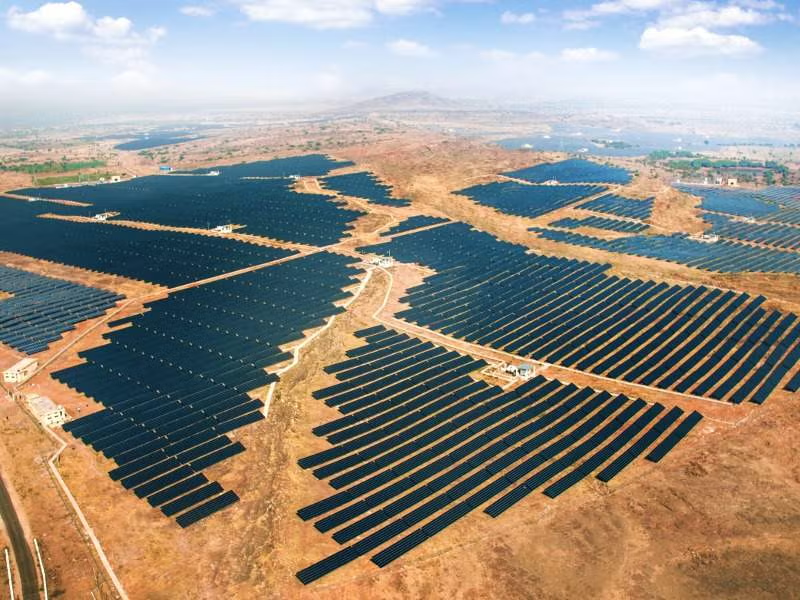
Imagine a place so hot and dry, even locals call it unlivable. That’s Bhadla, a remote patch of desert in Rajasthan, India. And it’s home to the biggest solar farm on the planet.
This beast covers over 14,000 acres and pumps out around 2,245 megawatts of clean electricity. That’s enough to power millions of homes.
What’s crazy? This wasn’t built by one company. It’s a massive collaboration between public and private players who turned an empty wasteland into a solar powerhouse. The scale is almost hard to grasp, row after row of panels stretching to the horizon, all soaking up that brutal desert sun.
India’s big push for renewable energy is real, and Bhadla is the crown jewel.
2. Huanghe Hydropower Hainan Solar Park (China)
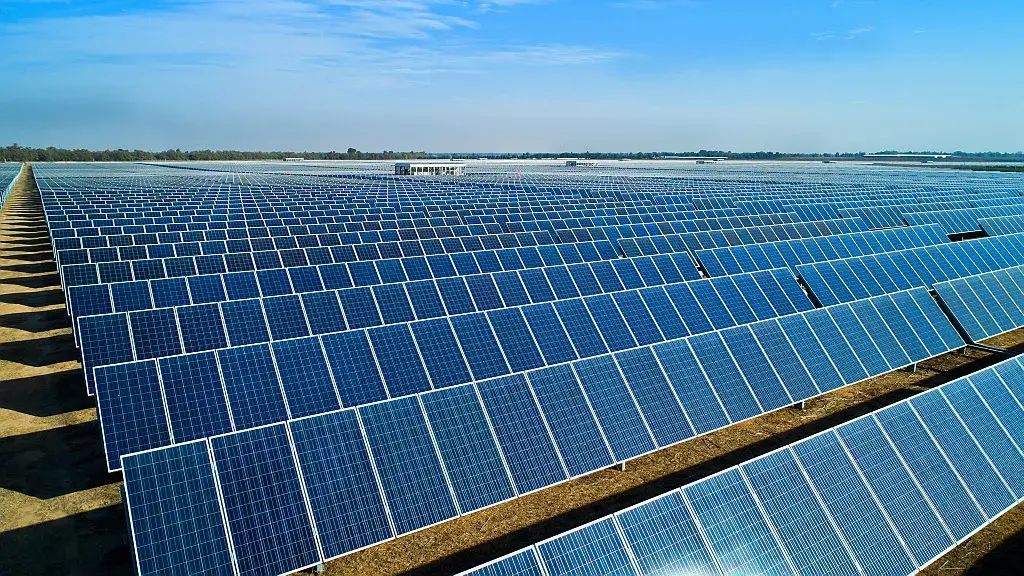
If solar farms had a leaderboard, China’s Huanghe Hydropower project would be right near the top with around 2,200 megawatts of installed capacity.
Located in the wide-open plains of Qinghai Province, this solar park is part of a much larger dream. China’s not just building solar plants, it’s creating entire renewable ecosystems that combine solar, wind, and hydropower in one giant energy hub.
This one’s especially important because it’s linked to ultra-high-voltage transmission lines, meaning the clean energy doesn’t just stay local it travels across the country to power faraway cities.
It’s more than a solar farm. It’s a preview of how countries might scale clean energy on a national level.
3. Pavagada Solar Park (India)
This solar farm has a heartwarming twist. It’s not just about megawatts but about people.
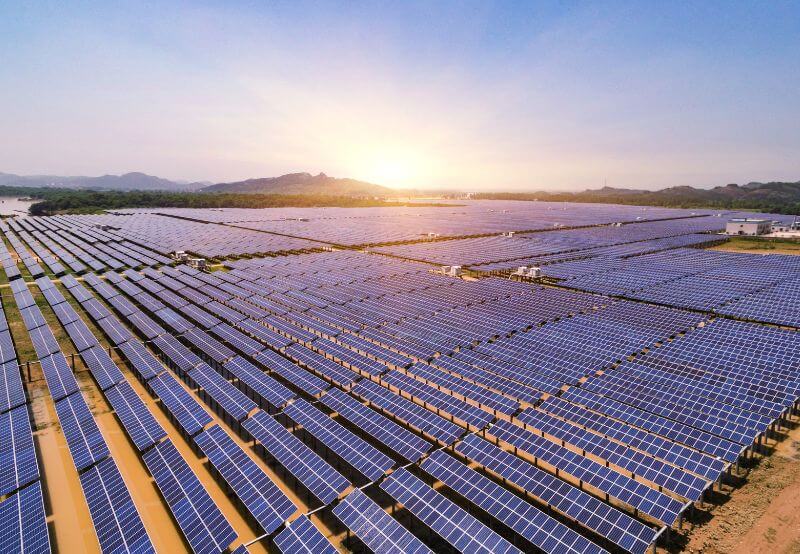
Located in Karnataka, Pavagada Solar Park produces around 2,050 megawatts of clean energy. But what really sets it apart is how it came to be. Instead of buying out land or displacing communities, the government leased the land from local farmers.
That’s right. Thousands of families now earn a steady income just by letting their land soak up the sun. No digging, no pollution, no fighting over space. Just clean energy and shared progress.
The park covers over 13,000 acres and shows how solar can be a win for both the environment and everyday people.
4. Benban Solar Park (Egypt)
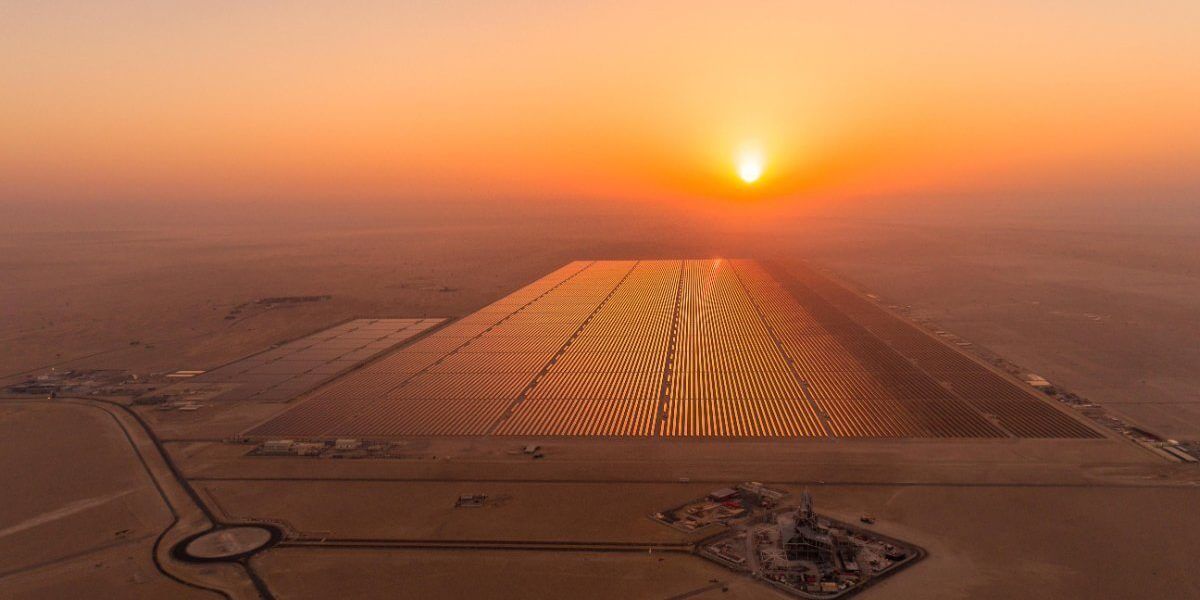
Tucked into Egypt’s Western Desert, Benban Solar Park is Africa’s largest solar installation cranking out around 1,650 megawatts of clean energy.
But here’s what’s wild: this solar park didn’t pop up overnight. It’s actually the result of dozens of projects stitched together into one massive energy hub. Over 30 different companies teamed up to make it happen.
The site spans roughly 14 square miles, and it plays a huge role in Egypt’s plan to get 42 percent of its electricity from renewables by 2035. That’s ambitious and Benban is leading the charge.
In a region known more for oil and gas, this is a bold statement that solar belongs in the spotlight too.
5. Tengger Desert Solar Park (China)
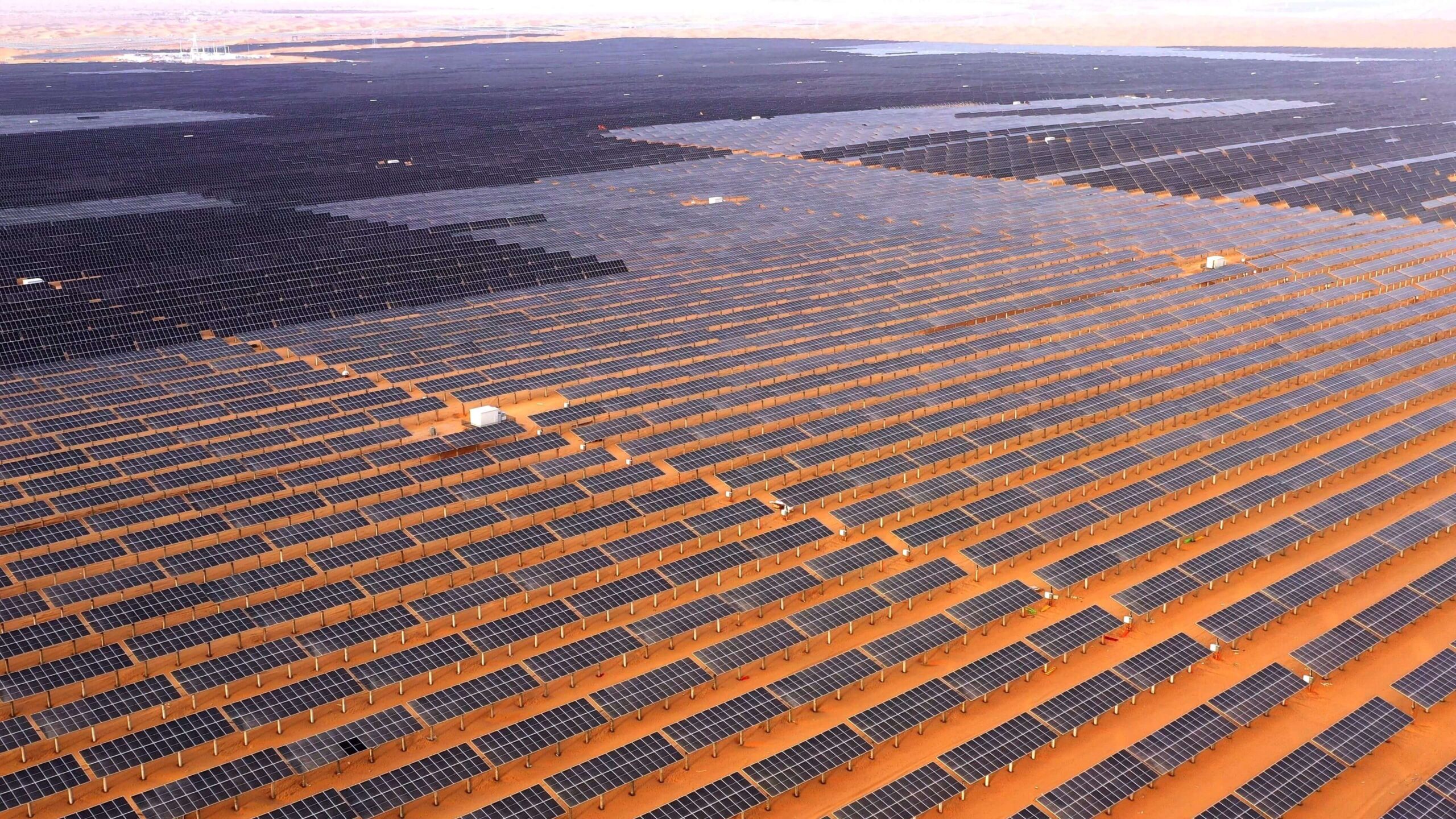
Nicknamed the “Great Wall of Solar,” this one lives up to the hype.
Built in the Tengger Desert in China’s Ningxia region, this solar farm stretches across the sand like a massive sheet of glass covering over 1,200 square miles. That’s not a typo. This place is huge.
It generates around 1,500 megawatts of power and is one of the earliest mega-solar projects to hit global headlines. What’s impressive is how it blends into such a harsh environment, turning lifeless desert into a clean energy factory.
Tengger was a bold move at the time, and it paved the way for even bigger farms across Asia.
6. Noor Abu Dhabi (UAE)
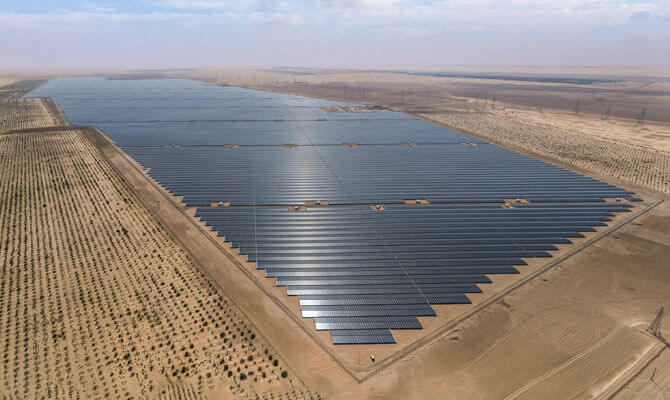
Imagine one solar farm powering over 90,000 homes with no smoke, no fuel, just pure desert sunlight. That’s Noor Abu Dhabi.
Located in Sweihan, this single-site solar project generates around 1,177 megawatts and held the title of the world’s largest for a while. The scale is jaw-dropping, over 3.2 million solar panels spread across dry, flat land like a sea of mirrors.
But here’s what makes it stand out: Noor was built super fast. In just over two years, it went from blueprint to reality – thanks to a partnership between the UAE government and international energy players.
It’s a crystal-clear example of how fast clean energy can scale when money, willpower, and sun come together.
7. Mohammed bin Rashid Al Maktoum Solar Park (UAE)
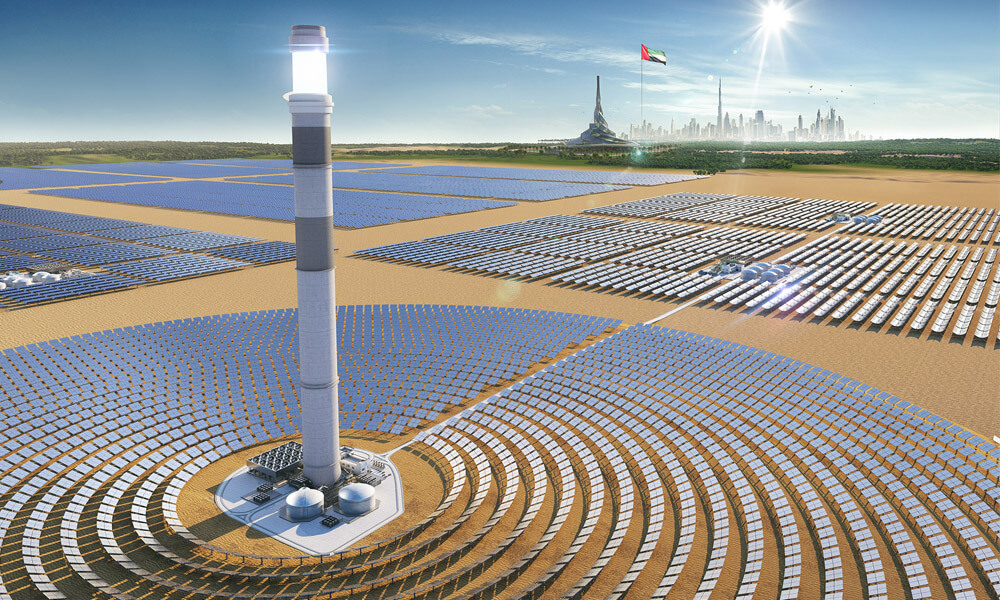
This isn’t just a solar park, it’s a vision.
Named after Dubai’s ruler, this mega project is set to reach a whopping 5,000 megawatts by 2030. Yep, you read that right. Five. Thousand.
Right now, it’s already producing over 1,600 megawatts, with multiple phases under construction. What makes it different? It’s not just using regular solar panels. They’ve added concentrated solar power (CSP) tech that stores sunlight as heat and keeps generating electricity at night.
Located in the middle of the desert, this place looks like something out of a sci-fi movie. But it’s real, and it’s a key piece of Dubai’s plan to get 25 percent of its power from clean energy by 2030.
8. Kurnool Ultra Mega Solar Park (India)
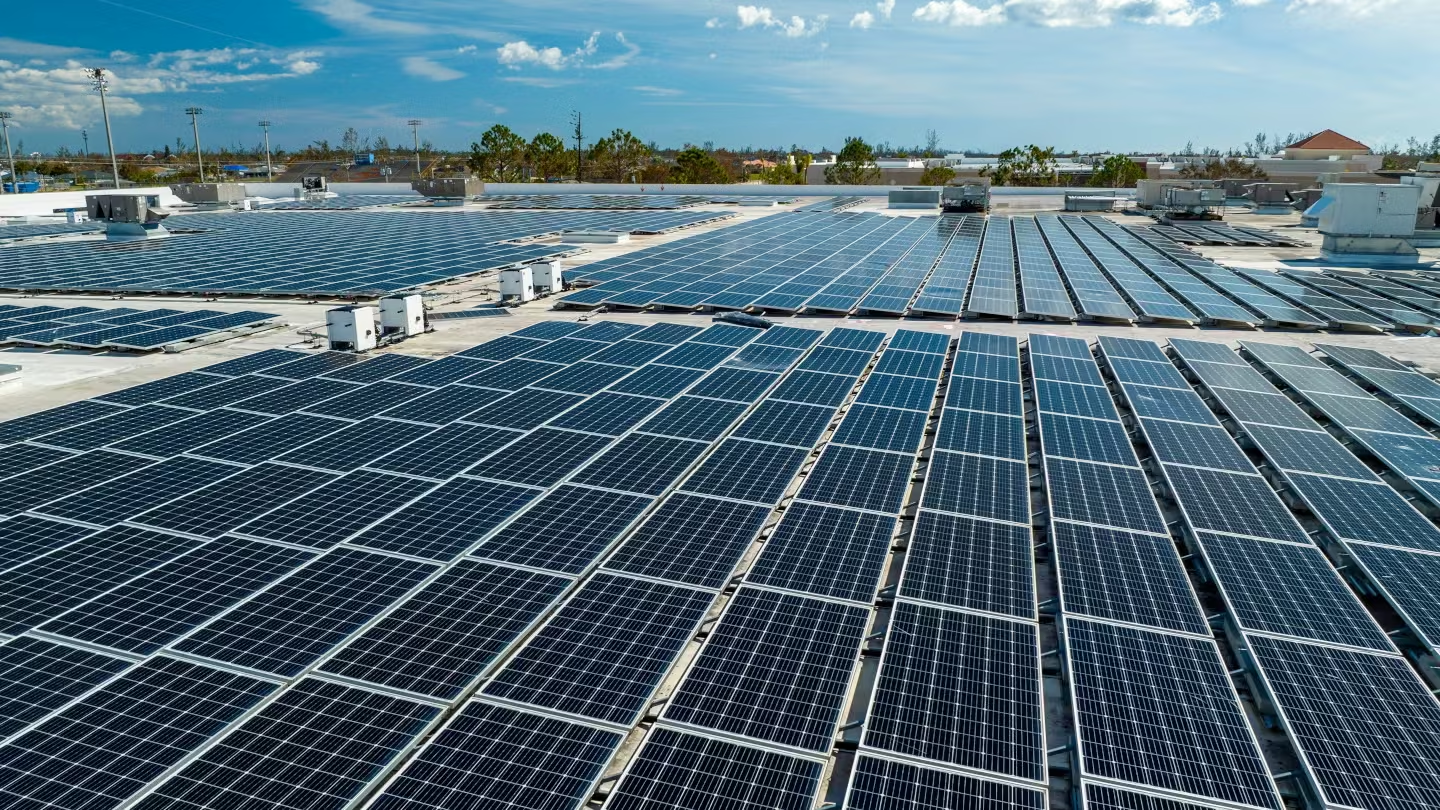
This solar park didn’t just make headlines, it also made history.
Located in Andhra Pradesh, Kurnool cranks out around 1,000 megawatts of solar power. But here’s the jaw-dropper: during a stretch in 2017, it supplied almost the entire state’s electricity for a full day. Just solar. That’s how powerful this thing is.
The park sits on over 5,900 acres, and like many of India’s big solar builds, it’s the result of clever partnerships between government and private companies.
Kurnool was a major milestone in India’s clean energy journey. It showed that solar isn’t just a “nice add-on”, it can carry the grid when needed.
9. Datong Solar Power Top Runner Base (China)
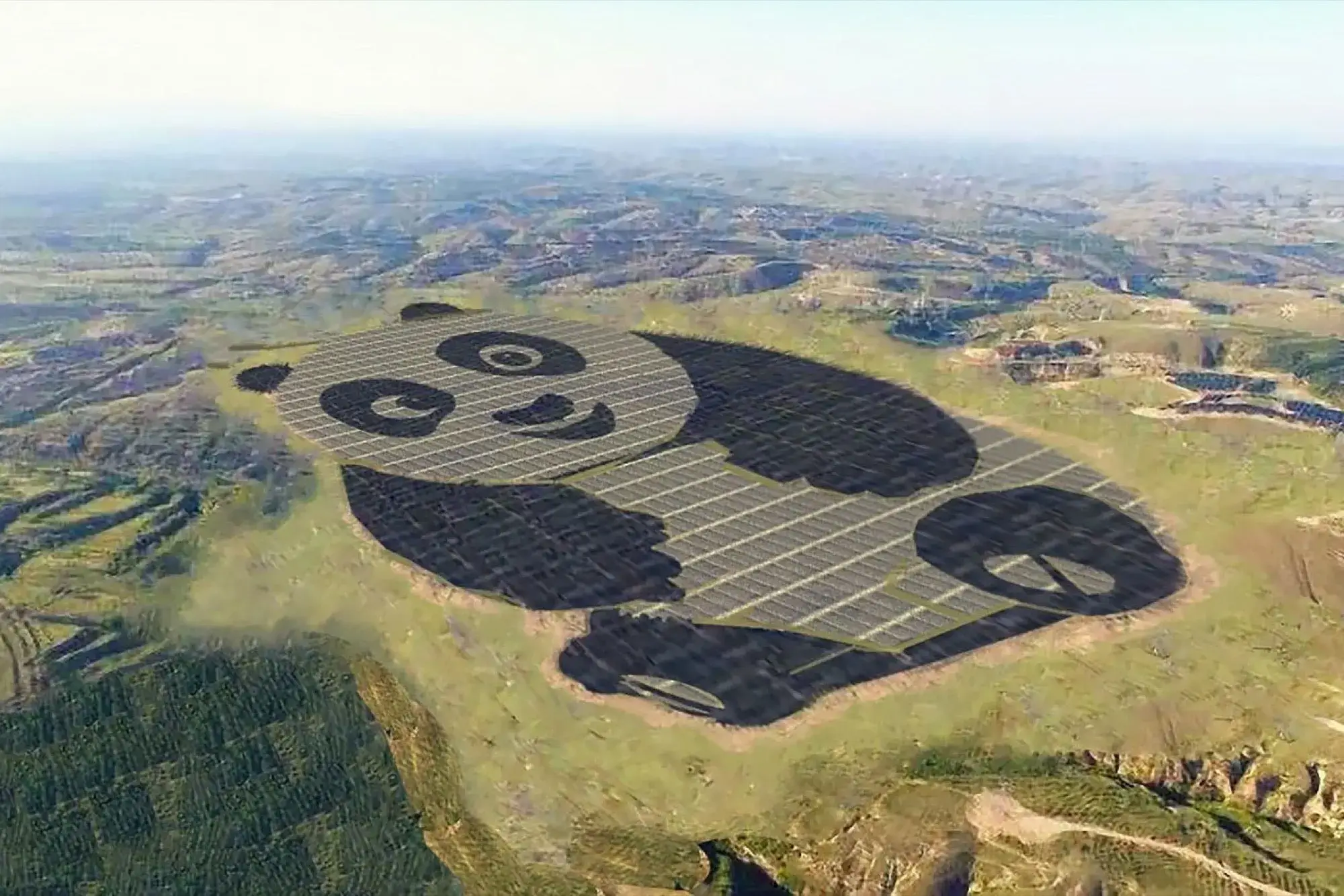
This one’s got power and personality.
Located in Shanxi Province, the Datong project is part of China’s “Top Runner” program, a national effort to push solar innovation. Its current capacity has already crossed 1,000 megawatts, and it’s still growing.
But here’s the fun part. Some of the solar panel layouts here are shaped like giant pandas when viewed from above. That’s right. Giant solar-powered pandas. Because why not?
Beyond the cute factor, this park plays a serious role in testing and scaling advanced solar tech across the country. It’s like a solar sandbox for the future.
10. Villanueva Solar Park (Mexico)
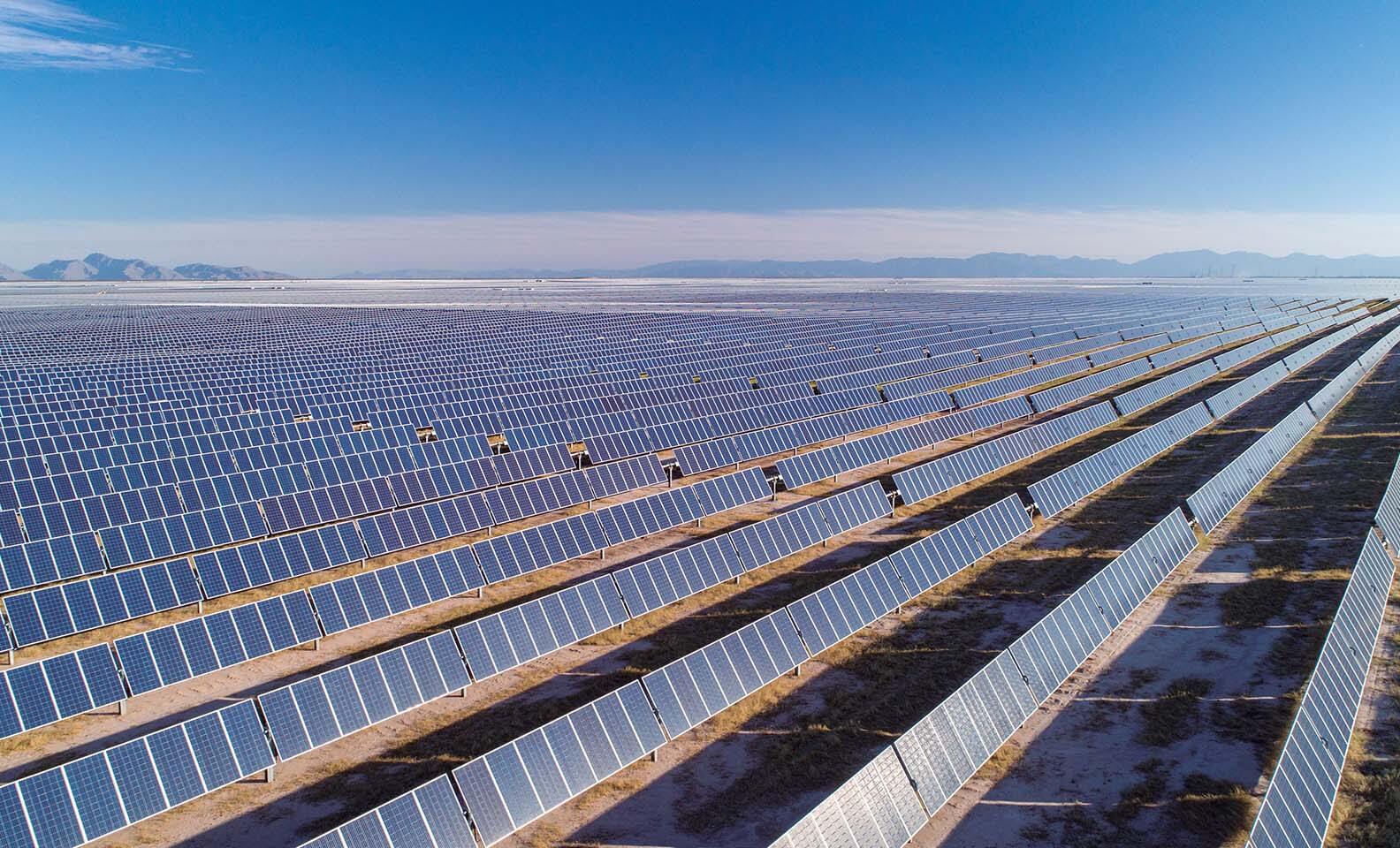
Tucked into the sun-drenched state of Coahuila, Villanueva is the largest solar farm in the Americas, delivering around 828 megawatts of clean power.
Built by the energy giant Enel, this park came together fast. And thanks to Mexico’s massive solar potential, it runs at high efficiency nearly year-round.
What makes it stand out? It’s part of a bigger shift in Latin America toward renewables. For a region historically tied to oil and gas, Villanueva proves that solar isn’t just possible: it’s practical, profitable, and growing fast.
With its wide open land, consistent sunlight, and fast-growing infrastructure, Mexico is quietly becoming a solar heavyweight and Villanueva is leading the way.
What These Mega Farms Tell Us About the Future
There’s a pattern here and it’s not just size.
These solar giants are showing us what the energy future actually looks like. Countries across the globe, from India to Egypt to the UAE aren’t just testing solar anymore. They’re betting big on it. Like, billion-dollar-big.
And it’s not just about climate goals. It’s economics. Solar is getting cheaper, faster to build, and way more scalable than most people realize. These farms are turning deserts, dead land, and rural zones into engines of progress.
Plus, as battery storage tech improves, the “what happens at night?” The argument is fading fast. We’re heading toward a world where massive clean energy projects power cities, industries, and maybe entire countries without burning a drop of fuel.
Bottom line? These farms aren’t the future. They’re the present. And they’re only getting bigger.
FAQs
How much land do these solar farms use?
A lot. The biggest ones cover thousands, even tens of thousands of acres. Most are built in deserts or unused rural land where sunlight is strong and space is cheap.
Can these farms power entire cities?
Yes, and some already do. A single farm like Bhadla or Noor Abu Dhabi can power hundreds of thousands of homes. As storage tech improves, their ability to supply stable energy to cities keeps growing.
Are these solar farms government-run or private?
It’s usually a mix. Many are built through public-private partnerships where governments provide land or support, and private companies handle development, operation, or funding.
Why are so many solar farms built in deserts?
Deserts get tons of sunlight, have flat open land, and low population density. They’re perfect conditions for massive solar projects.