Ever looked at your electricity bill and thought, “There has to be a better way than this?”
I’ve had that exact moment and when I started looking into solar, the upfront cost nearly shut the whole idea down. Thousands of dollars just to get started? Not realistic for most people.
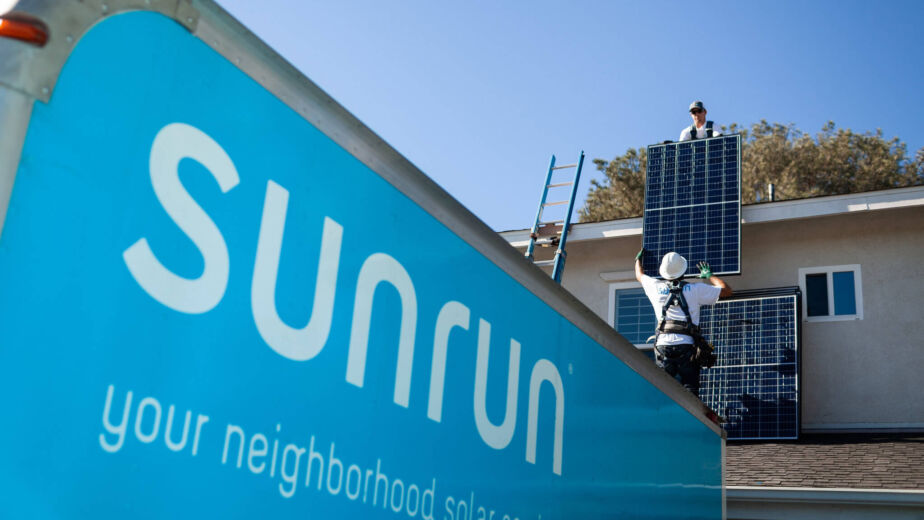
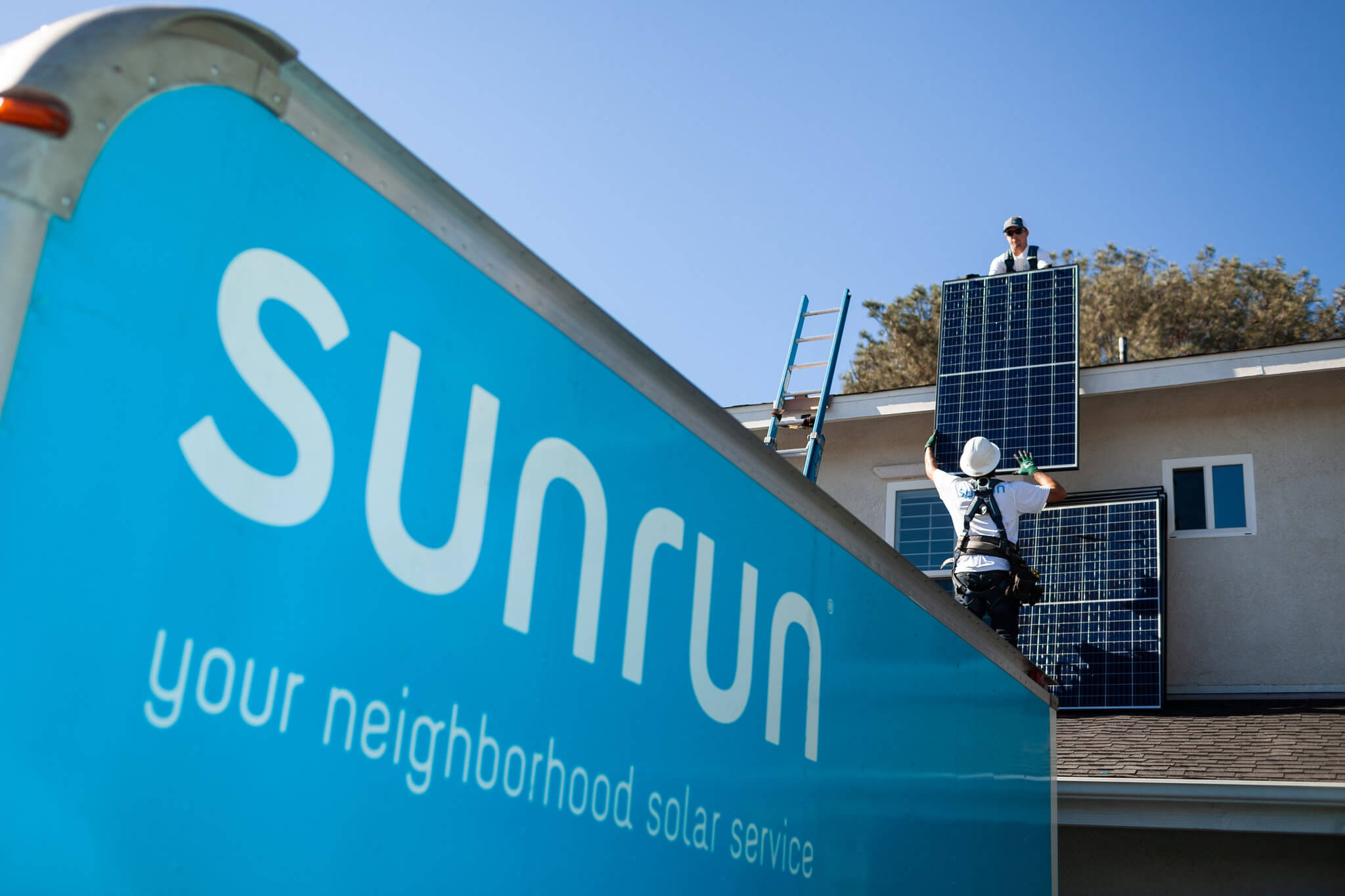
But here’s where things get interesting. In 2026, companies like Sunrun are flipping the script with a subscription model: no upfront cost, just a monthly payment for the power you use. And it’s catching on fast, with Sunrun projecting around 139,000 new customers this year alone.
So what’s the catch? And is it actually worth it? Let’s break it down in plain English.
Why Solar Subscriptions Are Exploding in 2026
Let’s be honest, most people don’t avoid solar because they don’t believe in it. They avoid it because of the price tag.
Dropping $15,000 to $30,000 upfront on a solar system just isn’t realistic for the average homeowner. Even with incentives, it still feels like a big financial leap.
That’s exactly why the solar subscription model is taking off right now.
Instead of paying upfront, homeowners can now install solar with no upfront cost and simply pay a monthly fee for the energy their system produces. It’s a shift that makes solar feel less like a major investment… and more like a utility bill you control.
But there’s another big reason this trend is accelerating: changes around the 25D solar tax credit.
For years, buying solar made the most financial sense because homeowners could claim a federal tax credit. But not everyone qualifies fully and recent shifts have made the benefit less predictable for some households.
So instead of trying to figure out tax incentives, more people are choosing simplicity:
no upfront cost, no maintenance worries, and predictable monthly payments.
Add in rising electricity prices, and the appeal becomes obvious.
Solar isn’t just about going green anymore, it’s about locking in energy costs and avoiding financial strain upfront.
What Is a Solar Subscription (TPO Model)?
Here’s the thing, a lot of people hear “solar subscription” and assume it’s just another version of buying solar.
It’s not.
A solar subscription model (also called third-party owned solar or TPO solar) means you don’t own the system at all.
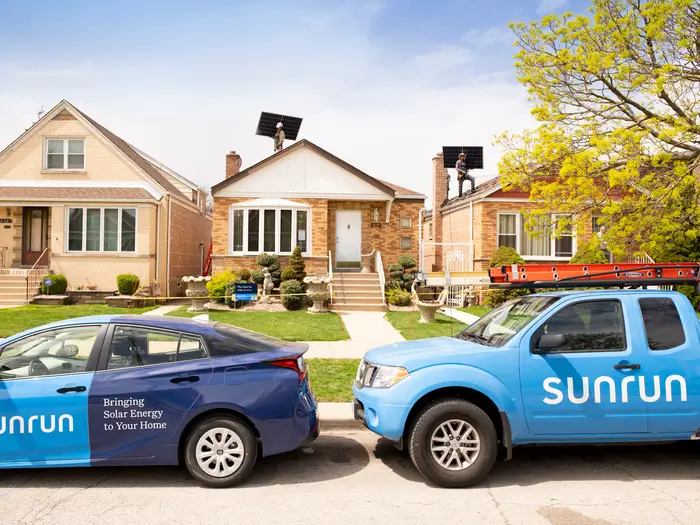
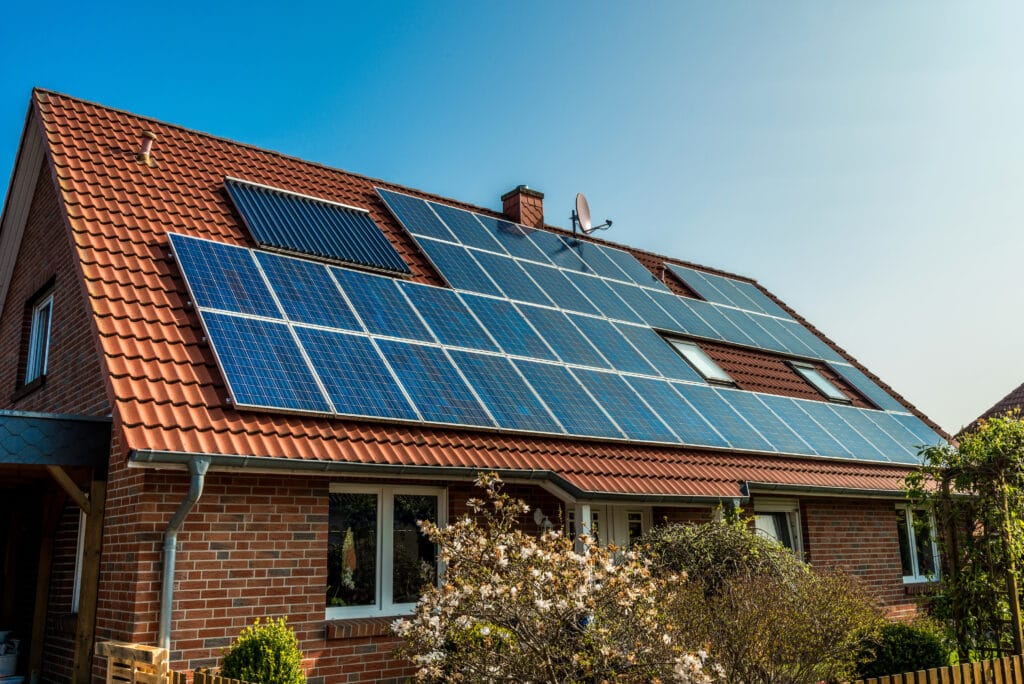
Instead, a company like Sunrun installs solar panels on your home, owns the equipment, and maintains everything for you. Your job? Simply pay for the electricity it produces, usually at a predictable monthly rate.
Think of it like this: Buying solar is like buying a car with cash. A solar subscription is like using Uber whenever you need a ride.
You still get where you want to go — you’re just not responsible for the vehicle.
Here’s how it works in plain terms:
- The provider installs the solar system at no upfront cost
- They own, monitor, and maintain the system
- You pay a monthly fee based on the energy produced
- The rate is often lower (or more stable) than your local utility
Now, here’s where people get confused:
Solar Subscription vs Buying vs Leasing: What’s the Difference?
Let’s be real, this is where most people get stuck.
All three options give you solar power. But how you pay (and what you gain long-term) is completely different.
So instead of overcomplicating it, let’s break it down the way you’d actually think about it.
Option 1: Solar Subscription (TPO Model)
With a solar subscription model, you’re choosing simplicity.
Companies like Sunrun handle everything, and you just pay for the energy.
You get:
- No upfront cost
- Predictable monthly payments
- Maintenance included
But here’s the trade-off: You don’t own anything, which means lower lifetime savings.
This is best if your priority is: “Just lower my bill without spending money upfront.”
Option 2: Buying Solar (Cash or Loan)
This is the “I want the most value long-term” route.
You either:
- Pay upfront, or
- Finance the system with a loan
You get:
- Full ownership
- Access to tax credits (like the 25D incentive)
- The highest long-term savings
But yeah, the barrier is real: high upfront cost or loan commitment.
This works best if you’re thinking: “I’m staying in this home long-term and want maximum return.”
Option 3: Solar Lease
Leases sit somewhere in the middle.
You:
- Pay a fixed monthly amount
- Don’t own the system
- Still avoid upfront costs
Compared to a solar subscription plan, leases are usually:
- Less flexible
- Not tied to actual energy usage
Think of it as a more rigid version of the TPO model.
The Simple Way to Compare Them
If I had to boil it down:
- Subscription → lowest barrier, easiest entry, less savings
- Lease → similar to subscription, but less flexible
- Buy → highest cost upfront, biggest payoff later
So Which One Actually Saves You More?
Here’s the honest answer:
- Short term? Subscription usually feels cheaper
- Long term? Buying almost always wins
That’s why this decision isn’t just about money, it’s about your situation.
The Real Costs: Is a Solar Subscription Cheaper?
Let’s address the question everyone is quietly asking:
“Am I actually saving money… or just avoiding a big upfront payment?”
Because those are two very different things.
In the short term, a solar subscription usually does feel cheaper. You’re not dropping $20,000 or more to get started. Instead, you move straight into a monthly payment that often looks lower, or at least more stable, than your current electricity bill. That alone is enough to make a lot of homeowners feel like they’ve made a smart move.
But the long-term picture is where things get more nuanced.
Most solar subscription plans, including those offered by Sunrun, come with contracts that stretch 20 to 25 years. Over that time, your payments may increase gradually due to built-in escalator clauses. So while you’re saving early on, the total amount you pay over decades can quietly add up.
Now compare that to owning your system.
When you buy solar, whether upfront or through financing, you’re working toward a point where your electricity costs drop dramatically, sometimes close to zero. You also get full access to incentives like the 25D tax credit, which can significantly improve your overall return.
This is why people often compare the decision to renting versus owning a home.
A solar subscription keeps things simple, accessible, and low-risk upfront. Buying, on the other hand, requires more commitment but gives you the biggest financial upside over time.
So the real question isn’t just “Which is cheaper?” It’s “What kind of financial trade-off am I comfortable with?”
For some homeowners, the answer is clear. If cash is tight or the idea of managing a system feels overwhelming, the subscription model can be a practical and stress-free way to go solar. But for those who are thinking long-term and want to maximize savings, ownership almost always comes out ahead.
And that’s the part most people miss. You’re not just choosing how to pay for solar.
You’re choosing between convenience today… and control tomorrow.
Pros and Cons of the Sunrun Subscription Model
Let’s cut through the marketing for a second.
The Sunrun subscription model sounds incredibly appealing on the surface, no upfront cost, predictable payments, and zero maintenance. And to be fair, a lot of that is true. For many homeowners, it removes the biggest friction that stops them from going solar in the first place.
The biggest advantage is how easy it makes everything.
You’re not worrying about system performance, repairs, or unexpected costs. If something breaks, Sunrun handles it. That kind of hands-off experience is rare when you’re dealing with something as technical as solar. It turns what could feel like a complex investment into something that behaves more like a regular utility bill.
There’s also the financial accessibility. Being able to go solar with no upfront cost changes the game for people who simply don’t have the cash or don’t want to take on a loan. It opens the door to solar in a way that ownership models just don’t.
But this is where we need to be honest.
That convenience comes at a cost, just not one you see immediately.
Because you don’t own the system, you don’t get the full financial upside. Over time, what you pay through a subscription can exceed what you would have spent if you had purchased the system outright. You’re essentially paying for access and convenience, not building long-term value.
Then there’s the contract itself.
These agreements are long, and while they’re designed to be transferable, they can still add friction if you decide to sell your home. Some buyers are fine with taking over a solar subscription. Others see it as a complication.
And finally, there’s the issue of control.
With ownership, you decide how to use, upgrade, or even expand your system. With a subscription, those decisions are mostly out of your hands. You’re relying on the provider’s terms, pricing structure, and long-term policies.
So when you step back, the trade-off becomes pretty clear:
You’re choosing between ease today and greater financial control later.
Final Verdict: Is a Solar Subscription Worth It in 2026?
So, is a solar subscription model actually worth it?
The honest answer is: it depends on what you need right now.
If your main goal is to avoid a large upfront cost and start saving on electricity without overthinking the process, then a subscription can make a lot of sense. It removes the biggest barrier, simplifies everything, and lets you switch to solar in a way that feels manageable. For many homeowners, especially with rising energy prices, that alone is enough to justify the decision.
And it’s clear this shift is happening fast. Companies like Sunrun are leaning heavily into this model because demand is real, people want flexibility, not large financial commitments.
But if you zoom out and think long-term, the picture changes.
A solar subscription is built for convenience, not maximum savings. You’re paying for ease, predictability, and peace of mind, not ownership. And over time, that trade-off means you’ll likely save less than someone who buys their system outright.
If you want to avoid upfront costs and start lowering your electricity bill, this is your next step.
Check your eligibility with Sunrun and see how much you could save with a solar subscription, it only takes a few minutes to get a personalized estimate.
FAQs About Solar Subscription Models
Is a solar subscription really $0 upfront?
Yes, in most cases, a solar subscription model requires no upfront payment. Companies like Sunrun cover the cost of equipment, installation, and setup. But “$0 upfront” doesn’t mean free, you’re still committing to monthly payments over a long-term contract, so the cost is spread out over time.
Is a solar subscription the same as a lease?
Not exactly, but they’re closely related.
Both fall under third-party owned solar (TPO), meaning you don’t own the system. The key difference is that a lease usually has a fixed monthly payment, while a solar subscription plan can be more flexible and sometimes tied to how much energy your system produces.
Can I cancel a solar subscription early?
You usually can, but it’s not always simple or cheap.
Most contracts include early termination terms, which could mean paying a buyout fee or covering the remaining value of the agreement. That’s why it’s important to understand the contract details before signing.
What happens if I sell my home?
In many cases, you can transfer the subscription to the new homeowner. Providers like Sunrun typically allow this, but the buyer has to agree to take over the contract.
If they don’t, you may need to buy out the agreement or renegotiate your home sale, which can complicate things.
Does a solar subscription increase home value?
It can, but not in the same way as owning solar.
Owned solar systems are generally seen as a stronger asset because they come with no ongoing payments. A solar subscription, on the other hand, may be viewed as a benefit or a complication depending on the buyer.
Is a solar subscription worth it compared to buying?
It depends on your priorities.
If you want no upfront cost, simplicity, and predictable payments, a subscription can be a great fit. But if your goal is maximum long-term savings and full ownership, buying solar will usually give you a better return over time.