Have you ever looked at a pile of wood chips or food waste and thought… could that actually power a home?
I used to think renewable energy meant only solar panels and wind turbines. But here’s the thing, biomass already supplies about 10% of the world’s total energy demand, according to the International Energy Agency. That surprised me. We’re literally turning plant waste, crop leftovers, and even garbage into electricity.
Sounds like a win for the planet, right? Well… not so fast.
Let’s walk through the real advantages and disadvantages of biomass energy so you can decide where it truly fits in a sustainable future.
Key Takeaways
- Biomass energy comes from organic materials like wood, crop waste, and manure.
- It currently accounts for over half of global renewable energy use.
- It can reduce landfill waste and fossil fuel dependence.
- Poor forest management can increase carbon emissions.
- Sustainability depends on sourcing and land use practices.
What Is Biomass Energy? A Simple Guide to Bioenergy and Biomass Power
Let’s keep this simple.
Biomass energy is energy made from organic material. That means anything that was once alive, for instance: plants, wood, crop waste, animal manure, even food scraps.
Instead of letting that material rot in a landfill (where it releases methane, a greenhouse gas more than 25 times stronger than CO₂ over 100 years), we can use it to create heat, electricity, or fuel.
Here’s how it works in plain terms:
Plants absorb carbon dioxide while they grow. When we burn or break down those plants for energy, that carbon gets released back into the air. In theory, new plants grow and absorb it again. That’s why biomass is often called part of the “natural carbon cycle.”
And this isn’t some tiny niche energy source.
According to the International Energy Agency, modern bioenergy accounts for nearly 55% of all renewable energy use worldwide, making it the largest renewable energy source globally, even bigger than solar or wind right now.
Biomass comes in three main forms:
- Solid biomass (wood pellets, agricultural waste)
- Biogas (from landfills or animal waste)
- Liquid biofuels like ethanol and biodiesel
In short? Biomass is renewable energy hiding in plain sight.
How Biomass Energy Works (Step-by-Step)
At its core, biomass energy works a lot like old-school power generation. The difference? The fuel comes from plants and waste instead of coal or oil.
Here’s the simple version:
1. Collection of Organic Material
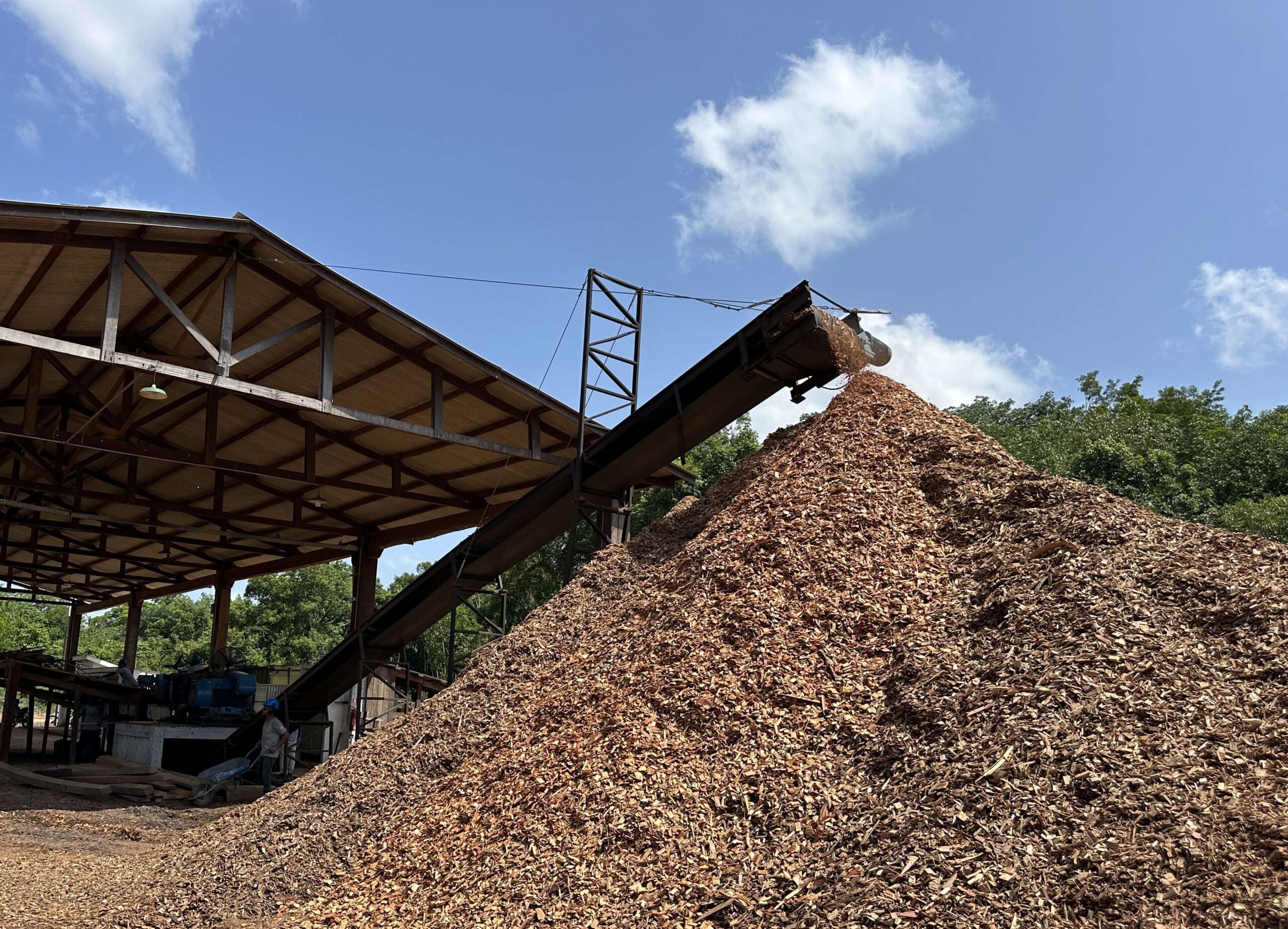
Farm waste. Wood chips. Food scraps. Animal manure. Even landfill waste. Instead of throwing it away, it gets gathered and prepared for energy production.
Globally, agricultural residues alone amount to billions of tons every year, much of which can be converted into usable energy instead of decomposing and releasing methane.
2. Conversion into Energy
There are a few main methods:
Direct Combustion
This is the most common method. Biomass is burned to heat water. The water turns into steam. The steam spins a turbine. The turbine generates electricity. Simple. Reliable. Familiar.
Anaerobic Digestion
This one’s interesting. Microorganisms break down organic waste (like manure or food waste) in oxygen-free tanks. The result? Biogas. Mostly methane that can be burned for electricity or heating.
The U.S. alone has over 2,200 biogas systems in operation, according to the U.S. Environmental Protection Agency.
Gasification and Pyrolysis
These are more advanced. Instead of fully burning the material, biomass is heated in low-oxygen conditions to create a synthetic gas (syngas), which can then be used to generate power or produce fuels.
3. Electricity Generation
In large-scale plants, the steam produced spins turbines just like in fossil fuel plants. The infrastructure is surprisingly similar. The main difference is the fuel source.
Here’s an easy way to picture it: Think of biomass as “solar energy stored in plants.”
Plants capture sunlight through photosynthesis. Biomass energy simply releases that stored energy.
But now comes the important part…Just because something is renewable doesn’t mean it’s perfect.
Advantages of Biomass Energy as a Renewable Power Source
Let’s be honest. If biomass didn’t offer real benefits, countries wouldn’t be investing billions into it.
Here’s why it gets so much attention.
1. It’s Renewable
Biomass comes from plants and organic waste. And plants can be regrown.
As long as forests are managed responsibly and crops are replanted, the fuel supply doesn’t “run out” the way coal or oil does.
According to the International Energy Agency, bioenergy is currently the largest source of renewable energy worldwide, accounting for roughly 55% of global renewable energy consumption.
That’s not small.
But the key word here is sustainable management. Without that, the “renewable” label falls apart.
2. It Reduces Waste
Here’s something most people don’t realize.
When food scraps and agricultural waste decompose in landfills, they release methane — a greenhouse gas about 28–34 times more potent than CO₂ over 100 years, according to the United Nations Environment Programme.
Using that waste for energy does two things:
- Reduces landfill volume
- Captures methane before it escapes into the atmosphere
It turns trash into something useful. That’s a big sustainability win.
3. Lower Net Carbon Emissions (Compared to Fossil Fuels)
Biomass isn’t zero-emission. Let’s be clear.
But it can be lower-carbon than coal or oil when sourced responsibly.
Why?
Because the carbon released during combustion was recently absorbed by plants. Fossil fuels, on the other hand, release carbon that’s been locked underground for millions of years.
That’s a huge difference.
In some lifecycle analyses, sustainably sourced biomass can reduce greenhouse gas emissions by 60–80% compared to fossil fuels.
Of course, this depends heavily on how it’s produced. We’ll talk about that in the disadvantages section.
4. Reliable, Not Weather Dependent
Solar panels don’t work at night and wind turbines don’t spin without wind. But Biomass plants can operate 24/7 as long as fuel is available.
That makes biomass a “dispatchable” renewable energy source, meaning operators can turn it on or off based on demand.
For energy grids trying to balance renewable sources, reliability matters.
5. Supports Rural Economies
Biomass energy production often happens close to where the material is sourced, which are: farms, forestry operations, rural communities.
That means:
- Local job creation
- Additional income streams for farmers
- Investment in regional infrastructure
The bioenergy sector supports millions of jobs globally, especially in agricultural regions. For some communities, biomass isn’t just about energy. It’s economic survival.
Related Post: Bold Eco-Friendly Predictions for 2026: What’s Next in Sustainability, Tech & Everyday Life
Disadvantages of Biomass Energy and Its Environmental Impact
This is where things get real.
1. It’s Not Completely Clean
Yes, biomass is renewable. And no, it’s not emission-free.
When biomass is burned, it releases carbon dioxide. It can also release nitrogen oxides, particulate matter, and other pollutants if not properly filtered.
In fact, according to the European Environment Agency, biomass combustion can contribute to air pollution if emissions aren’t carefully controlled, especially in small-scale wood burning systems.
So while it may be better than coal in some cases, it’s not the same as wind or solar, which produce electricity without combustion.
That’s an important distinction.
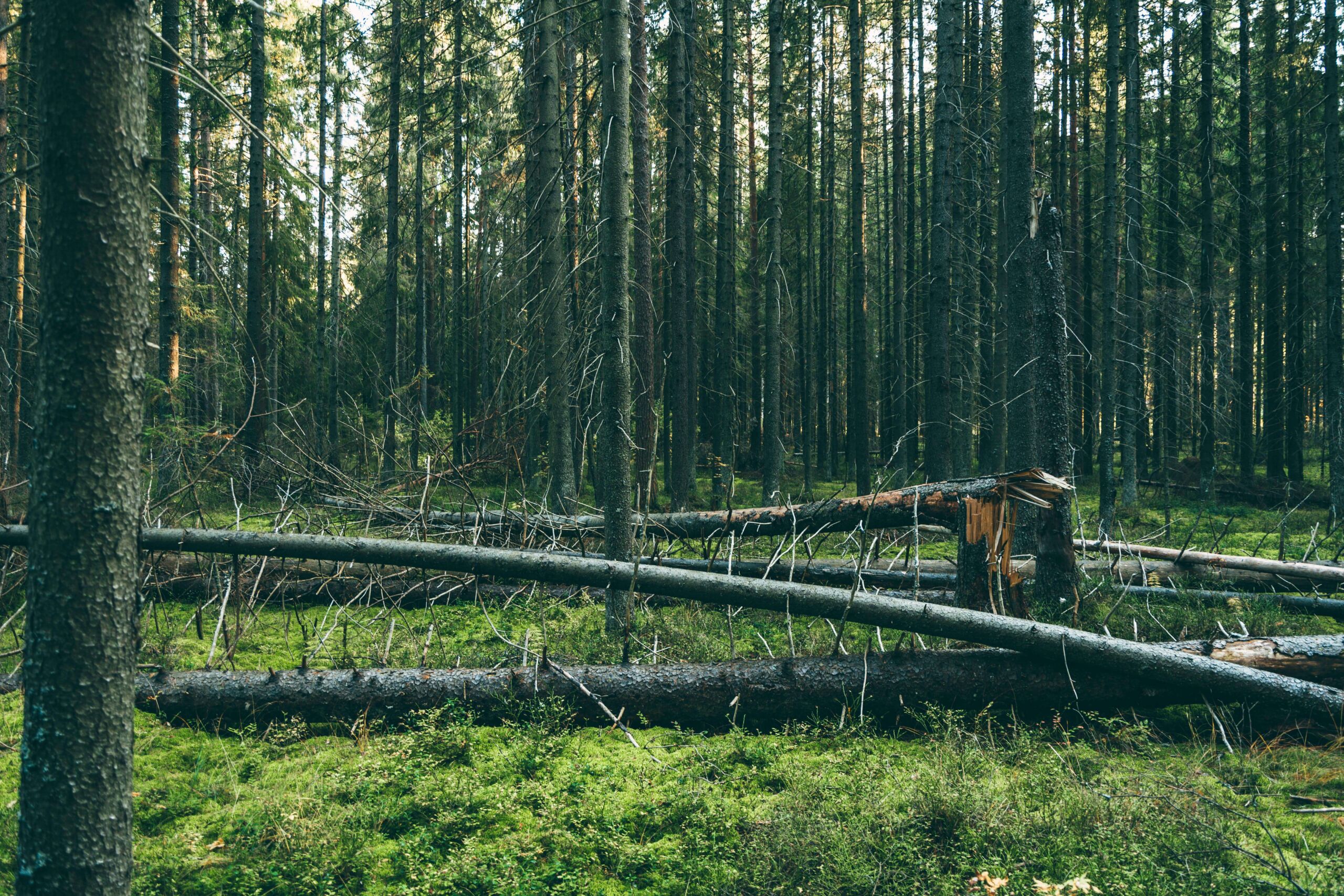
2. Deforestation Risk
Here’s where critics raise red flags.
If forests are cut down faster than they regrow, biomass quickly stops being sustainable.
Large-scale wood pellet production has expanded rapidly in recent years. The United States is now one of the largest exporters of wood pellets to Europe for energy use.
Environmental groups argue that in some regions, whole trees and not just waste wood are being harvested.
If that happens, the carbon “payback period” can take decades. And during that time, atmospheric CO₂ levels remain higher.
That doesn’t align with urgent climate goals.
3. It Requires Large Land Areas
Growing crops specifically for biofuel takes land. And land is limited.
Globally, biofuel production already uses millions of hectares of agricultural land. When energy crops compete with food production, food prices can rise, which is something seen during past biofuel expansion periods.
For example, corn-based ethanol production in the U.S. consumes roughly 40% of the country’s corn crop in some years, according to data from the U.S. Department of Agriculture.
That’s a serious trade-off.
4. Efficiency Isn’t Always High
Traditional biomass power plants often operate at lower efficiency compared to modern natural gas plants.
Some biomass plants convert only 20–25% of the fuel’s energy into electricity, while combined-cycle natural gas plants can exceed 60% efficiency.
That gap matters. More fuel burned = more emissions and higher operating costs.
Biomass Energy vs. Other Energy Sources
Because here’s the real question:
Is biomass better than the alternatives?
The answer depends on what you’re comparing it to.
Biomass vs. Solar Energy
Solar panels generate electricity with zero combustion. No smoke. No fuel burning. Just sunlight.
According to the International Renewable Energy Agency, solar photovoltaic costs have dropped more than 80% over the past decade. That’s huge.
But solar has a weakness: it only works when the sun shines. Energy storage helps, but batteries are still expensive at grid scale.
Biomass, on the other hand, can produce electricity 24/7. It’s dispatchable. That makes it more predictable for grid operators.
So:
- Solar = cleaner at the point of generation
- Biomass = more controllable and steady
Different strengths. Different roles.
Biomass vs. Wind Energy
Wind energy is also combustion-free. No fuel required.
In many regions, wind power is now one of the cheapest sources of new electricity generation.
But like solar, wind depends on weather patterns. No wind, no power.
Biomass doesn’t have that issue as long as fuel supply chains are stable.
However, wind farms don’t require constant fuel harvesting, transport, and land cultivation. Biomass does.
So wind often wins on emissions and long-term simplicity.
Biomass vs. Fossil Fuels
This comparison is where biomass looks strongest.
Coal and oil release carbon that’s been locked underground for millions of years. Once it’s burned, that carbon adds new CO₂ to the atmosphere.
Biomass releases carbon that was recently absorbed by plants. That’s the core difference.
The fact is that sustainably sourced bioenergy can play a role in reducing net emissions, especially when paired with carbon capture technologies.
But here’s the catch:
If forests are cleared irresponsibly, or if energy crops displace natural ecosystems, biomass can end up increasing emissions instead of reducing them.
It all comes down to how it’s managed.
So where does that leave us? Biomass isn’t as clean as solar or wind, but it can be cleaner than fossil fuels, and it offers reliability that some renewables lack. It’s not the hero of the energy transition. But it’s definitely a supporting character.
Is Biomass Energy Carbon Neutral? The Carbon Emissions Debate Explained
You’ll hear this phrase a lot: carbon neutral. The idea sounds simple.
Plants absorb carbon dioxide as they grow. When we burn those plants for energy, that carbon goes back into the atmosphere. Then new plants grow and absorb it again.
In theory, it balances out. That’s the “carbon cycle” argument.
But here’s the part most people don’t talk about.
The Time Problem
When you cut down a tree and burn it, the carbon is released instantly. But regrowing that tree can take 20, 40, even 80 years.
During that time, the atmosphere holds more carbon than it would have if the tree had remained standing.
The Intergovernmental Panel on Climate Change concludes that the climate impact of bioenergy depends heavily on land use, forest management, and the time it takes for carbon to be reabsorbed.
So biomass can be close to carbon neutral but only under strict conditions
Waste vs. Whole Trees
There’s a big difference between:
- Burning agricultural waste that would decompose anyway
- Cutting down mature forests specifically for fuel
Using waste materials tends to have lower net emissions. The carbon would have been released eventually through decomposition.
Harvesting whole trees changes the equation.
That’s why sustainability standards matter so much.
What the Science Says
Many climate models include bioenergy as part of a low-carbon future, but not unlimited bioenergy.
Most experts agree biomass works best when:
- It uses residues and waste
- Forests are replanted and managed responsibly
- It complements, not replaces, solar and wind
So is biomass carbon neutral? Sometimes, under the right conditions. And when handled it can make climate change worse.
Real-World Examples of Biomass Energy
Biomass isn’t some experimental idea sitting in a lab. Entire countries are already using it at scale.
Sweden: Turning Waste into Power
Sweden is one of the global leaders in bioenergy.
Nearly 30% of Sweden’s total energy supply comes from bioenergy sources. A big part of that fuels district heating systems, centralized plants that heat entire neighborhoods through underground pipes.
Sweden even imports waste from other countries to keep some plants running. That’s how integrated biomass can become when a country commits to it.
United States: Wood Pellets & Biogas
The United States is one of the largest producers of wood pellets in the world. Much of those pellets are exported to Europe for electricity generation.
At the same time, thousands of farms use anaerobic digesters to turn manure into biogas. The U.S. Environmental Protection Agency reports that there are over 2,000 operational biogas systems across the country.
For farmers, this means:
- Extra income
- Reduced methane emissions
- Better waste management
Brazil: Biofuels at Scale
Brazil is a biofuel powerhouse.
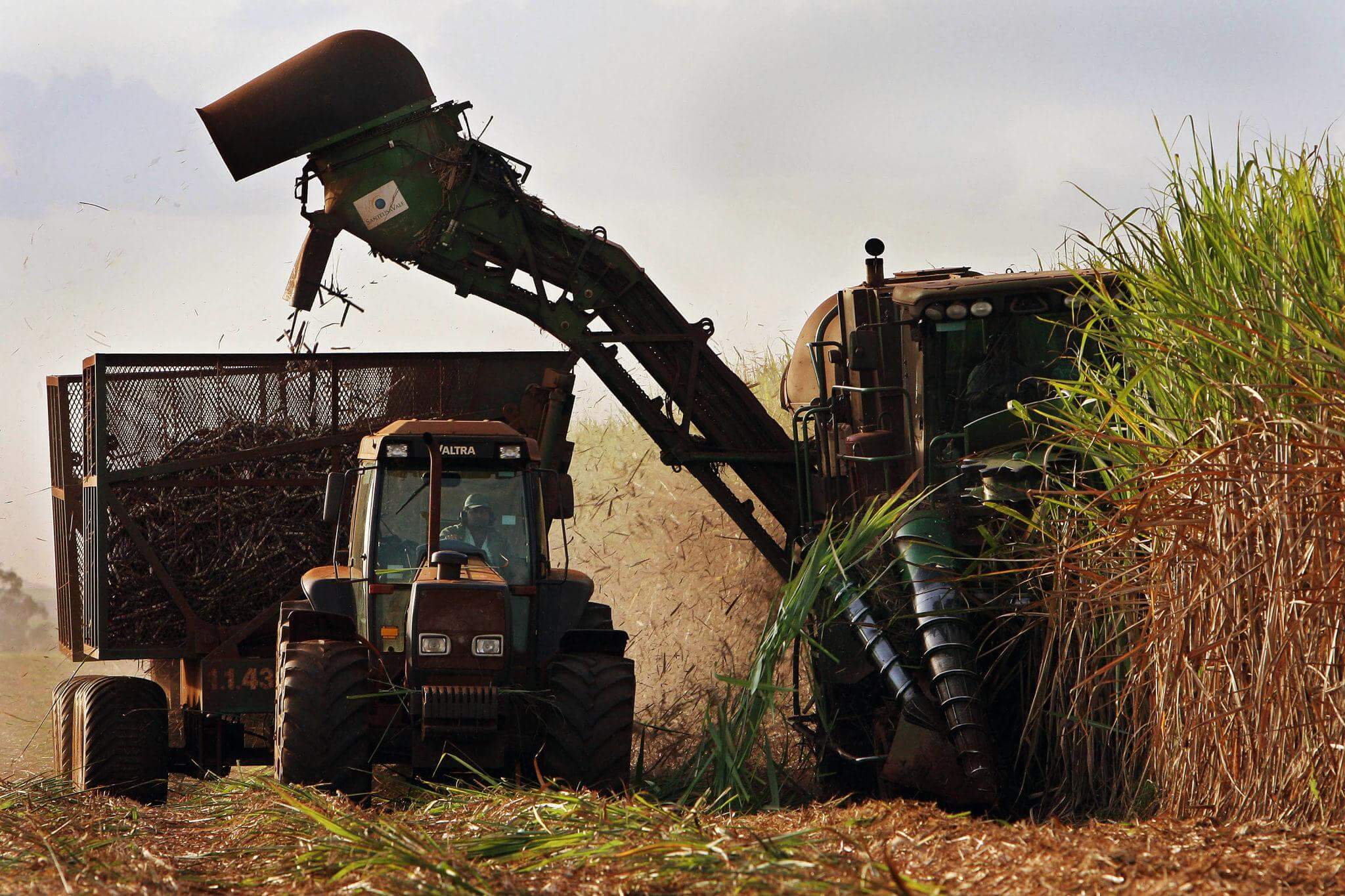
Sugarcane ethanol has been part of Brazil’s energy strategy for decades. Many vehicles in Brazil are flex-fuel, meaning they can run on gasoline, ethanol, or a mix of both.
In some years, biofuels have supplied nearly half of the country’s transport fuel demand.
That’s not a small pilot program. That’s nationwide integration.
Small-Scale Systems: Homes and Communities
Biomass isn’t only industrial.
In many rural regions across Europe and Asia, households rely on small biomass boilers for heating. Community-level digesters turn food waste into cooking gas.
But this is where regulation matters.
Poorly managed small-scale wood burning can contribute to air pollution, which is why modern systems with emission controls are essential.
So what does this tell us?
Biomass can work. But how it works and whether it truly helps the climate depends entirely on management, scale, and sustainability standards.
Conclusion
Biomass energy isn’t black or white.
It’s not the clean superhero some headlines make it out to be. But it’s not the villain either.
It sits somewhere in the middle.
When it uses waste materials, protects forests, and replaces coal, it can cut emissions and reduce landfill waste at the same time. That matters. Especially as global energy demand keeps rising.
But when forests are cleared irresponsibly or fuel crops compete with food, the climate benefits shrink fast.
The truth is, no energy source is perfect. The real question isn’t “Is biomass good or bad?”
It’s “Are we using it wisely?”
And that decision will shape whether biomass becomes part of the solution or part of the problem.
Frequently Asked Questions About Biomass Energy
1. Is biomass energy renewable?
Yes, as long as the source materials are replenished. Biomass comes from organic materials like plants, agricultural waste, and wood. If forests are replanted and crops are regrown, the supply can continue long-term. Without responsible management, though, it stops being sustainable.
2. Does biomass energy cause pollution?
Yes, it can.
Burning biomass releases carbon dioxide and can also emit particulate matter and nitrogen oxides. According to the European Environment Agency, poorly controlled biomass combustion can contribute to air pollution. Modern systems with emission controls reduce this risk significantly.
3. Is biomass energy carbon neutral?
It can be but not automatically.
Biomass is often considered part of the natural carbon cycle because plants absorb CO₂ as they grow. However, if forests are cut down and not replaced, or if regrowth takes decades, biomass can temporarily increase atmospheric carbon levels.
4. What are examples of biomass energy?
Common examples include:
- Wood pellet power plants
- Biogas from animal manure or food waste
- Ethanol made from corn or sugarcane
- Biodiesel made from vegetable oils
Countries like Sweden and Brazil use biomass and biofuels on a large scale.
5. Is biomass better than fossil fuels?
In many cases, yes, especially when it replaces coal and uses waste materials.
Unlike fossil fuels, biomass does not release carbon that has been stored underground for millions of years. According to the Intergovernmental Panel on Climate Change, sustainably sourced bioenergy can help reduce net greenhouse gas emissions.
But its impact depends entirely on how it’s produced and managed.