Are Tesla Solar Panels Worth It in 2026? Cost, Reviews & ROI Breakdown
Are Tesla solar panels actually worth the investment in 2026, or are you mostly paying for the name?
With electricity rates climbing across many U.S. states and the 30% federal solar tax credit still in place, more homeowners are running the numbers on rooftop solar. But choosing a system isn’t just about price. It’s about long-term savings, reliability, warranty protection, installation experience, and whether the system fits your home’s energy needs.
This detailed, neutral review breaks down Tesla solar cost, performance, customer feedback, comparisons with competitors, and real return-on-investment scenarios so you can make a clear financial decision.
Quick Answer: Are Tesla Solar Panels Worth It?
For many homeowners, Tesla solar panels are worth it, especially if you prioritize competitive pricing and integrated battery storage.
Tesla often prices systems lower per watt than many national competitors. When combined with the federal tax credit, total system cost can become significantly more affordable than expected.
However, installation timelines and customer service experiences vary by region. If you value hands-on project management or fully customized system design, local installers may offer a different experience.
How Tesla Solar Panels Work
At a basic level, a system from Tesla works like most home solar setups: panels on your roof capture sunlight, convert it into electricity, and send it to your home’s electrical panel to power your appliances.
But Tesla’s approach is a little different in how it packages everything together.
First, you have two main options:
1. Traditional Solar Panels
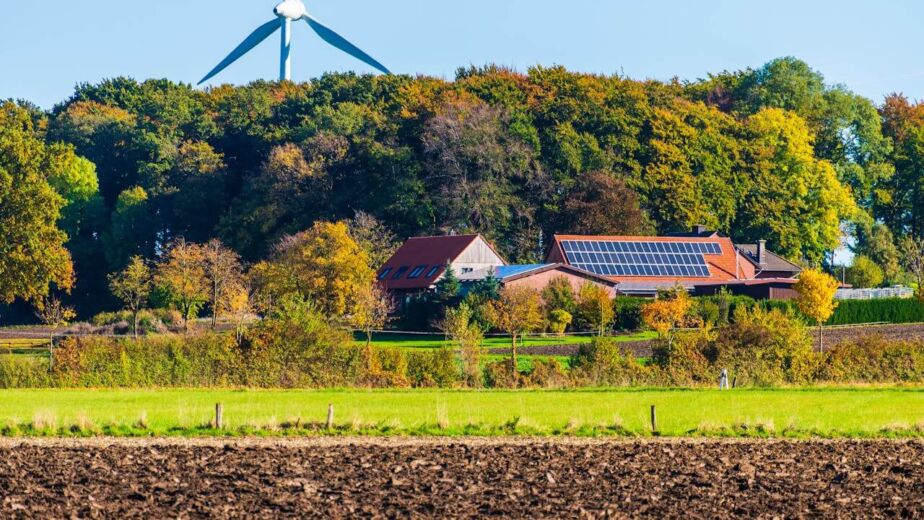
These are mounted on top of your existing roof. They generate electricity during the day and can send excess power back to the grid (depending on your utility’s net metering policy).
2. Solar Roof
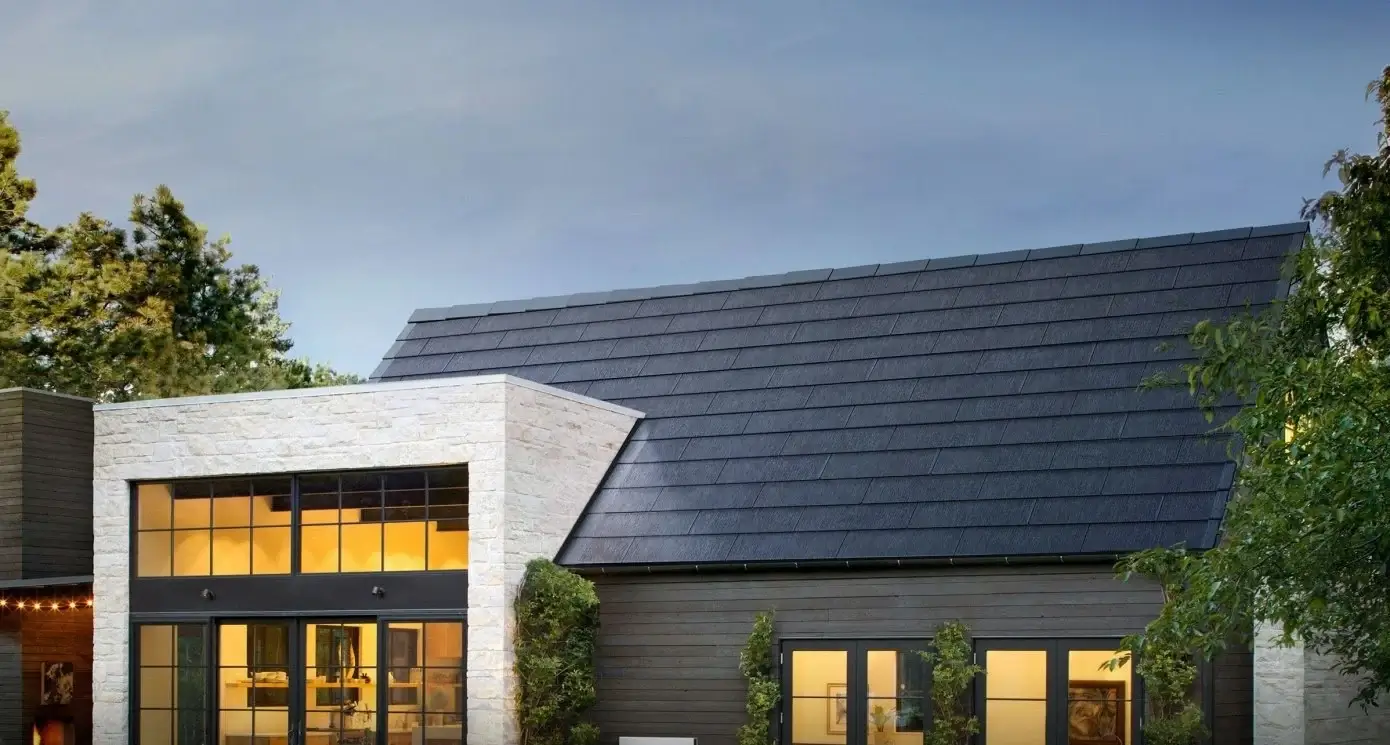
Instead of panels sitting on top of shingles, the roof itself generates electricity. It looks cleaner, but it’s significantly more expensive and usually makes sense only if you’re already replacing your roof.
Now here’s where Tesla stands out: integration.
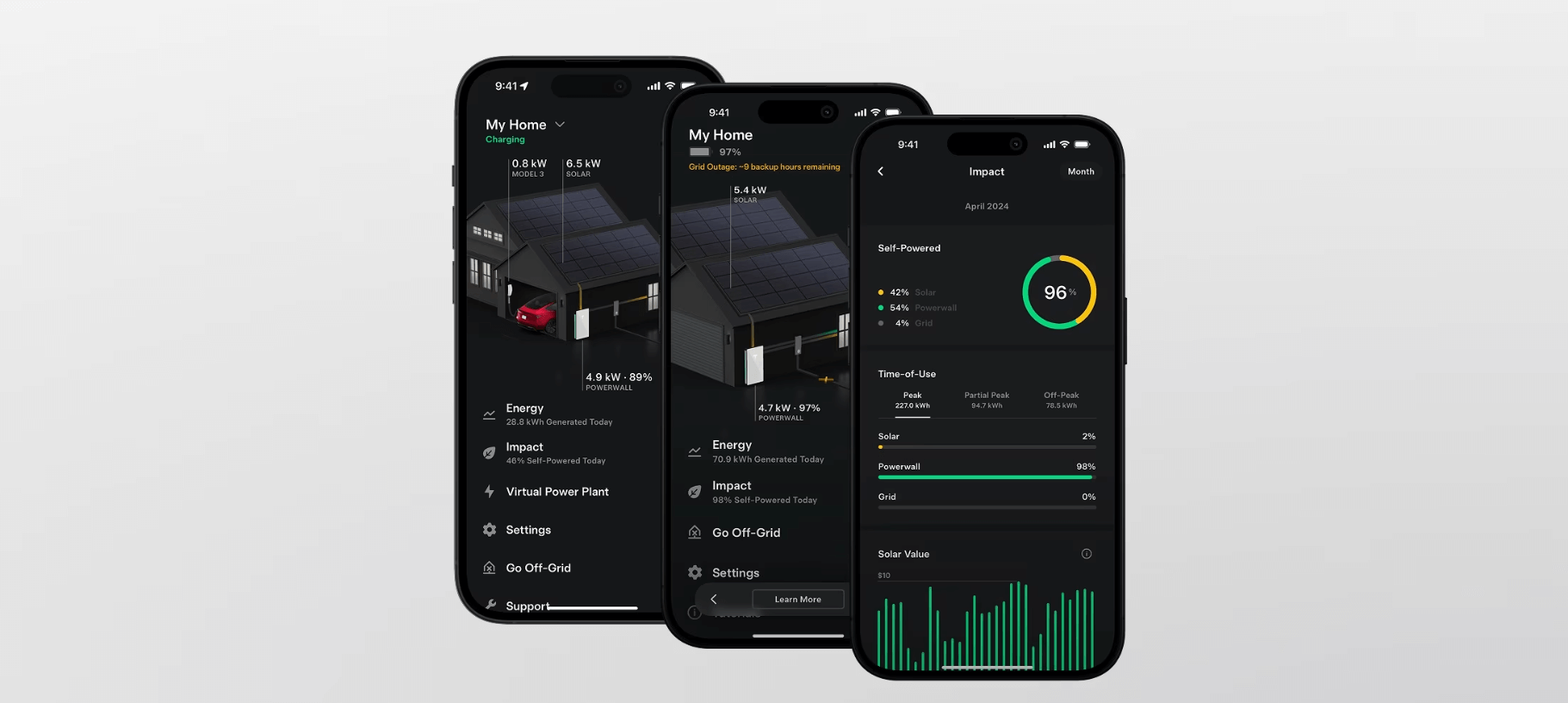
Their systems are designed to work seamlessly with the Powerwall battery. During the day, your panels power your home. Extra energy can charge the battery. At night or during an outage, your home pulls from stored power instead of the grid.
Everything is monitored in one app. You can see:
- Real-time energy production
- Home energy usage
- Battery charge level
- Grid import/export
It’s simple. Clean. Very tech-forward.
That said, the hardware itself (the panels and inverters) is not radically different from what other solar companies use. The real differentiator is the streamlined online ordering process and the tight software integration.
How Much Do Tesla Solar Panels Cost in 2026?
Cost is usually the deciding factor — so let’s break this down clearly.
Average System Cost
Most homes need a 6 kW to 10 kW system.
On average, Tesla solar panels cost around $2.30–$2.60 per watt before incentives, which often makes them cheaper than many national competitors.
That means:
- 6 kW system: roughly $14,000–$16,000 before incentives
- 8 kW system: roughly $18,000–$21,000 before incentives
- 10 kW system: roughly $23,000–$26,000 before incentives
Federal Tax Credit
The 30% federal solar tax credit (Investment Tax Credit) significantly reduces the net cost.
For example:
An $20,000 system could drop to about $14,000 after the tax credit.
State incentives and local rebates can reduce it further depending on where you live.
What About Powerwall?
A single Tesla Powerwall typically adds $9,000–$11,000 installed, depending on configuration.
Adding battery storage increases upfront cost — but it can improve energy independence and protect against outages.
Installation Costs
Tesla’s pricing usually includes equipment, installation, permitting, and basic monitoring. However, if your roof needs upgrades or electrical work, that can add to the total.
Payback Period
For many homeowners, payback falls between 6–10 years, depending on:
- Electricity rates in your state
- Sun exposure
- Incentives
- Whether you finance or pay cash
After the system pays for itself, the energy it produces is essentially free aside from minimal maintenance.
The key takeaway: Tesla is often competitively priced — sometimes lower than traditional installers — but batteries can significantly raise the total investment.
Pros of Tesla Solar Panels (With Data)
1. Competitive Pricing
Compared to many national installers, Tesla often comes in lower on price per watt. Because the company sells directly online and operates at scale, it can reduce some of the overhead that traditional solar sales models include.
For cost-conscious homeowners, that matters.
2. Clean, Minimal Design
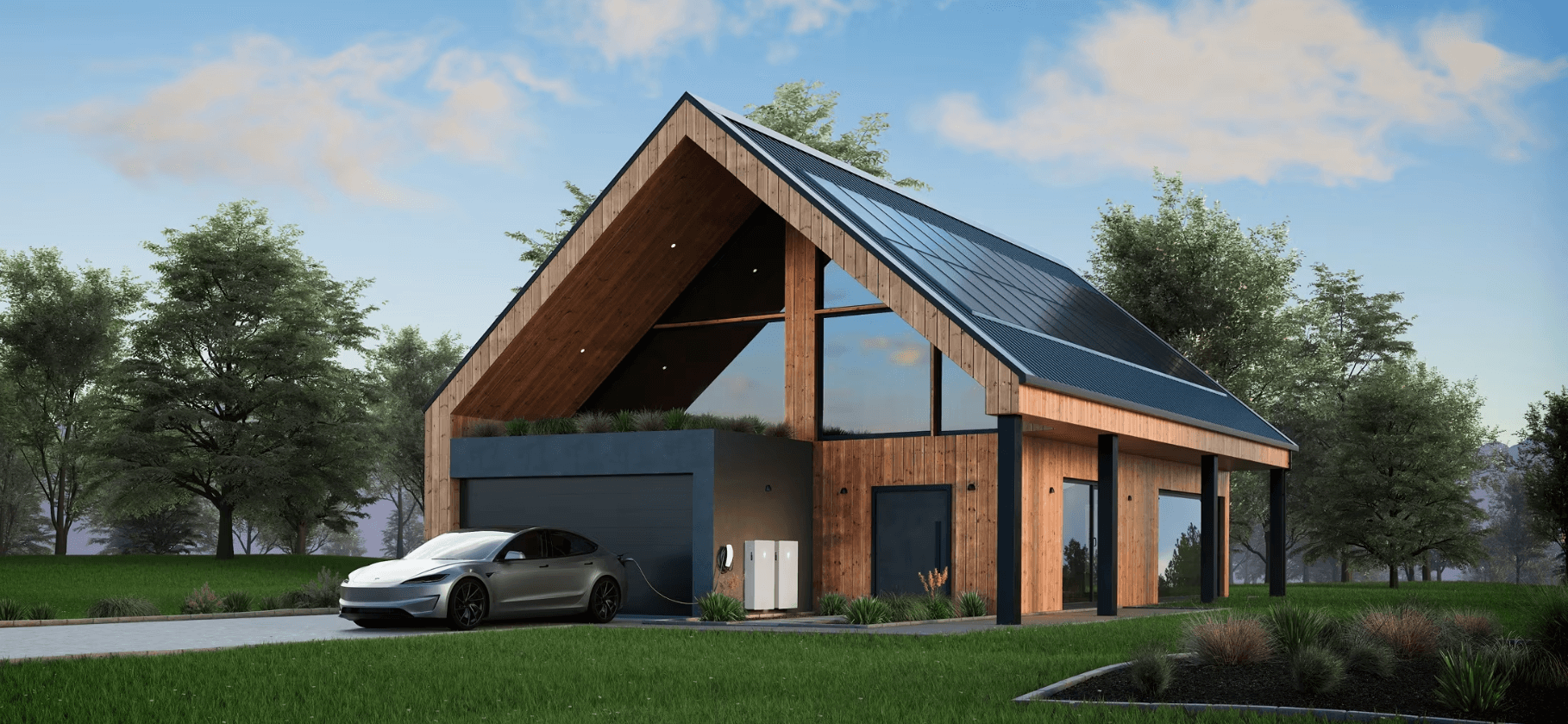
Tesla panels are sleek and low-profile. The all-black design tends to blend well with most roofs. For homeowners who care about curb appeal, this is a real plus.
The Solar Roof option takes aesthetics even further, though at a much higher cost.
3. Strong Tech Integration
This is where Tesla stands out.
Everything runs through one ecosystem – panels, inverters, and the Powerwall battery, all controlled in a single app. Real-time energy monitoring is simple and intuitive. You can see exactly how much power your home is producing and using at any moment.
For tech-focused homeowners, this unified system is appealing.
4. Battery Compatibility
If energy independence is a goal, pairing solar with the Powerwall makes backup power seamless. During outages, your home can continue running without interruption.
This is especially valuable in areas with unstable grids or frequent blackouts.
5. Straightforward Online Ordering
Tesla’s online quote process is fast and transparent. You can price a system without dealing with high-pressure sales reps. For some buyers, that simplicity is refreshing.
Also Read: EcoFlow Delta vs. Jackery Explorer: The Best Solar Generator for American Homes in 2026
Cons of Tesla Solar Panels
1. Customer Service Variability
Because Tesla operates at a national scale with centralized operations, customer service experiences can vary widely by region.
Common themes in customer reviews include:
- Slow response times
- Difficulty reaching a dedicated representative
- Delays in post-installation support
While many homeowners report smooth installations, service consistency is one of the most cited concerns in Tesla solar reviews.
2. Installation Delays
Some buyers report installation timelines extending several weeks or even months beyond initial estimates.
Delays can stem from:
- Permitting backlogs
- Utility interconnection approvals
- Subcontractor scheduling
This isn’t unique to Tesla, the solar industry as a whole faces permitting and grid-connection delays, but Tesla’s volume can amplify scheduling bottlenecks in certain markets.
3. Limited Customization
Tesla typically offers standardized system sizes based on your roof and energy usage.
Unlike some local installers, there may be less room for highly customized panel layouts or specialized equipment brands. For homeowners with complex roofs or unique energy goals, this can feel restrictive.
4. Subcontracted Installers
In some regions, Tesla uses third-party installation crews.
Quality can still be high, but subcontracting introduces variability depending on the local team. This partially explains why reviews can differ significantly between states.
5. Communication Gaps During Project Phases
Several homeowners note that communication may be strong during the sales phase but slower during permitting or inspection stages.
For buyers who want frequent updates and hands-on guidance, this can feel frustrating.
Tesla vs Other Solar Companies
Tesla vs Sunrun
Pricing:
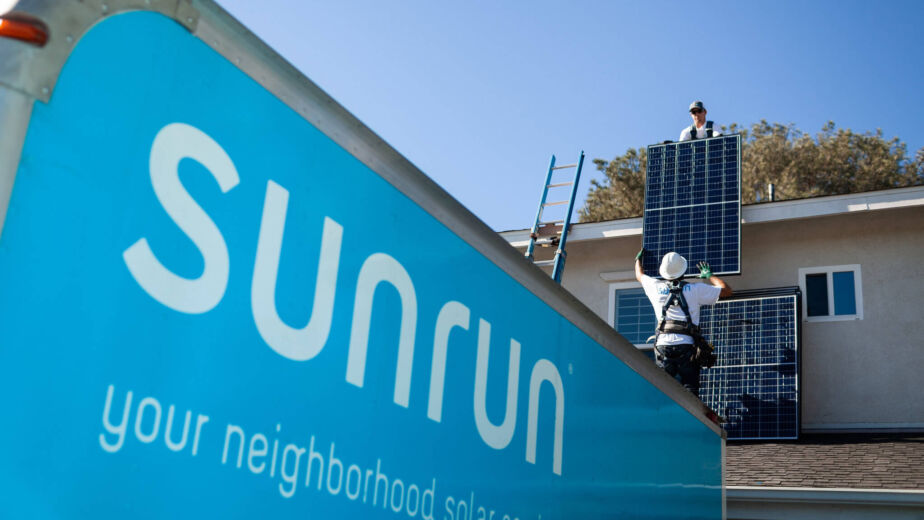
Tesla often comes in lower on price per watt, especially for cash purchases. Sunrun frequently promotes leasing and power purchase agreements (PPAs), which can reduce upfront cost but increase total long-term payments.
Service Model:
Sunrun uses local sales reps and installers, which can provide more hands-on support. Tesla relies more heavily on centralized operations and online communication.
Battery Options:
Sunrun offers multiple battery brands. Tesla primarily pairs systems with the Powerwall.
Bottom line:
Tesla may win on upfront cost. Sunrun may offer more flexible financing and localized support.
Tesla vs SunPower
Efficiency:
SunPower panels often exceed 22% efficiency, while Tesla panels typically sit around 19–20%.
Price:
SunPower systems usually cost more per watt, sometimes significantly more.
Warranty:
Both offer 25-year performance warranties, though SunPower is often positioned as a premium option.
Bottom line:
If maximum efficiency and premium equipment matter most, SunPower may appeal more. If budget is the priority, Tesla often provides better value per dollar.
Tesla vs Local Installers
Customization:
Local installers may offer more flexible system designs and equipment choices.
Customer Service:
Smaller companies sometimes provide more personalized communication and project oversight.
Pricing:
Local quotes can vary widely. In some areas, a local installer may beat Tesla’s pricing — in others, Tesla may be lower.
Reputation:
Local installers depend heavily on community reviews, which can make service accountability stronger in certain markets.
Bottom line:
Tesla offers national scale and streamlined ordering. Local installers may offer customization and higher-touch service.
Tesla Solar Roof vs Tesla Solar Panels
This is where many homeowners get confused.
Both products come from Tesla — but they serve very different purposes.
Cost Difference
Traditional Tesla Solar Panels
Typically range from $14,000 to $26,000 before incentives, depending on system size.
Tesla Solar Roof
Often ranges between $40,000 and $70,000+, depending on roof size, complexity, and energy needs.
That’s a major gap.
However, the Solar Roof replaces your entire roof. If you already need a full roof replacement, part of that cost would exist either way. In that case, the price difference narrows, but it’s still usually higher than standard panels.
ROI Comparison
From a pure return-on-investment perspective:
- Traditional panels almost always have a shorter payback period (often 6–10 years).
- Solar Roof systems typically take longer to break even because of the higher upfront investment.
If your primary goal is saving money on electricity, standard panels are generally more efficient financially.
Aesthetic vs Practical Decision
The Solar Roof looks seamless. It doesn’t appear like panels sitting on top of shingles, because the shingles are the solar system.
For homeowners in high-end neighborhoods or those focused heavily on curb appeal, this can be appealing.
But if practicality and ROI are your top concerns, traditional panels usually win.
When Solar Roof Makes Sense
- You already need a full roof replacement
- You value aesthetics over shortest payback
- Budget is less of a constraint
- You want an all-in-one roofing and energy solution
For most homeowners strictly evaluating “Are Tesla solar panels worth it?”, traditional panels tend to provide the stronger financial case.
Are Tesla Solar Panels a Good Investment?
Example:
$20,000 system
→ $14,000 after tax credit
→ $180/month electricity bill
If the system offsets most usage:
Estimated annual savings ≈ $2,000
Estimated payback ≈ 7 years
After payback, electricity production effectively reduces long-term energy costs for the remaining lifespan of the panels.
Higher electricity rates strengthen the financial case.
Low electricity rates weaken it.
Long-term homeowners benefit most.
Before You Buy Tesla Solar Panels
Before signing a contract:
- Confirm roof age and condition
- Compare at least two additional quotes
- Review net metering policies
- Read warranty terms carefully
- Understand projected installation timeline
Final Verdict: Are Tesla Solar Panels Worth It?
So, are Tesla solar panels worth it?
For many homeowners, yes, but with realistic expectations.
From a pricing standpoint, Tesla often delivers competitive cost per watt compared to national installers. When combined with the 30% federal tax credit and long-term electricity savings, the financial case can be strong, especially in high-rate states.
Performance and warranties align with industry standards. The panels are solid. The technology integration is clean. The Powerwall pairing is seamless.
Where Tesla becomes less predictable is in customer experience. Installation timelines and communication quality can vary by region. For some homeowners, that trade-off is acceptable in exchange for lower upfront cost. For others, personalized service may matter more than saving a few thousand dollars.
The balanced takeaway:
- If cost efficiency and tech integration are your top priorities, Tesla solar panels are often worth it.
- If hands-on service and premium customization matter most, you may want to compare local or high-end alternatives.
The smartest move? Get multiple quotes, including Tesla, and compare total system cost, warranty terms, and service reputation in your area.
FAQs
How much does a Tesla solar system cost for a 2,000 sq ft home?
For a typical 2,000 sq ft home, most systems fall between 6 kW and 9 kW, depending on energy usage and location.
Before incentives, that usually means $15,000 to $24,000. After the 30% federal tax credit, the net cost could drop to roughly $10,500 to $16,800.
Actual cost depends more on electricity usage than square footage.
Does Tesla solar increase home value?
Owned solar systems (not leased) often increase home appeal and can add resale value, particularly in markets with high electricity costs.
While the exact premium varies by region, buyers increasingly see solar as a long-term savings feature rather than just an upgrade.
Can you go off-grid with Tesla solar?
Technically, yes, but it requires multiple Powerwall batteries and careful system sizing.
Most homeowners use Tesla solar as grid-tied with battery backup, which provides outage protection without fully disconnecting from the utility.
Going fully off-grid significantly increases upfront cost.
How long does Tesla solar installation take?
The physical installation usually takes 1–3 days.
However, the full process including design, permitting, inspections, and utility approval, can take several weeks to a few months, depending on local regulations.
Are Tesla solar panels better than other brands?
Tesla panels perform similarly to many mid-tier national brands in efficiency and warranty coverage.
They are not necessarily the highest-efficiency panels on the market, but they are often competitively priced. The main differentiator is Tesla’s integrated ecosystem and streamlined purchasing model.