Leading Biohacking Companies to Watch in 2026

Ever wondered if there’s a shortcut to feeling better, thinking faster, or living longer?
That’s the promise of biohacking, and in 2026, it’s no longer just for tech bros and fringe futurists. From smart rings that analyze your sleep to gene therapy labs chasing longer lifespans, a wave of companies is turning radical health optimization into a booming industry.
The question isn’t if biohacking is going mainstream, it’s which companies are leading the charge.
Let’s break down the top players in 2026 who are helping people upgrade their bodies, brains, and biology.
The Biohacking Industry Landscape in 2026
Let’s be real, biohacking isn’t just for tech geeks or Silicon Valley millionaires anymore. In 2026, it’s a massive movement, with the global market expected to top $63 billion. Yeah, billion. And that number keeps climbing because more and more people are getting fed up with the old way of doing health. Waiting until you’re sick? Nah. People want to feel sharper, sleep deeper, live longer and they want that edge now.
But here’s the thing. Biohacking doesn’t mean just one thing. It’s kind of a catch-all for anything that helps you “hack” your biology. For some, that means tracking every heartbeat with wearables. For others, it’s tweaking their diet, taking nootropics, or even exploring gene therapy and cellular-level anti-aging.
You’ve got Apple and Oura building smart rings and watches that track your sleep and stress. Then there are companies formulating supplements to boost your brain or your gut. And let’s not forget the biohacking labs trying to slow down aging altogether.
This space is wild, growing fast, and full of bold promises. So who’s really standing out? That’s exactly what we’re about to get into.
Wearable Tech & Health Tracking Leaders
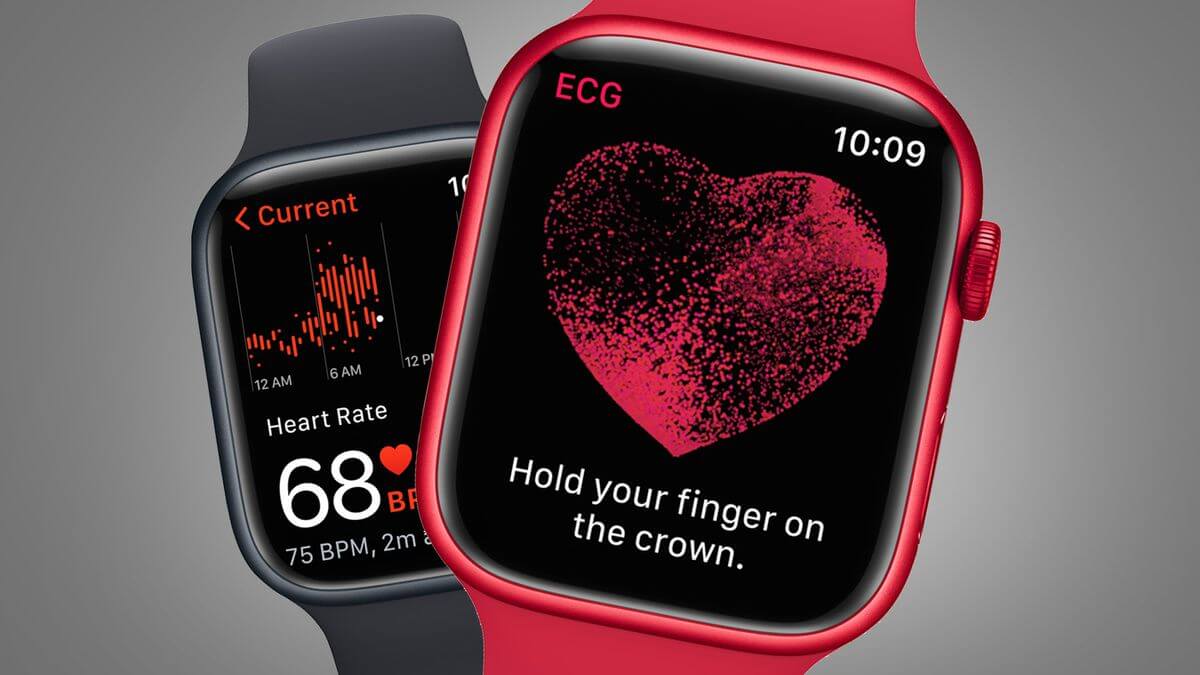
If there’s one part of biohacking that’s gone totally mainstream, it’s wearable tech. These gadgets have gone from “cool fitness toy” to “daily health essential” and in 2026, the big players are doing way more than counting steps.
Apple is still leading the pack. Their latest Watch models don’t just track heart rate and sleep, they now monitor blood sugar, detect early signs of illness, and even predict stress before you feel it. It’s like having a mini health coach on your wrist.
Whoop and Oura are right behind, and they’ve carved out serious niches. Whoop’s strap is all about performance and recovery. It gives elite athletes and weekend warriors alike real-time data on strain, sleep, and readiness. Meanwhile, Oura has become the go-to for people obsessed with optimizing their sleep. Their tiny ring tracks temperature, heart rate variability, and even menstrual cycle patterns with crazy accuracy.
What’s wild is how these companies aren’t just giving you numbers. They’re turning your body’s signals into insights you can actually use. Feeling off? Your wearable probably knows before you do.
This kind of tech has helped regular people feel more in control of their health than ever before and that’s a huge reason why wearable companies are dominating the biohacking space right now.
- Zone 2 Training, Explained (2026): Talk Test, HR Zones, and Why Devices Disagree
- Best EV Charger for Renters: Practical Charging Solutions When You Can’t Install a Charger
- Best Biohacking Wearables & Health Tracker Startups Worth Watching in 2026
- Oura Ring vs Apple Watch for Sleep Tracking: Which Is Actually More Accurate?
- Best Smart Home Systems That Actually Work in 2026
Nutrition, Supplements & Bio-Optimizers
You can’t talk about biohacking without talking about what goes into your body. In 2026, smart nutrition has gone way beyond multivitamins and protein shakes. This space is exploding with companies blending science, supplements, and personalization and people are eating it up. Literally.
One of the front-runners here is Health Via Modern Nutrition. Their products are built around longevity, metabolism, and cellular repair – think ketone esters, NAD+ boosters, and mitochondrial support. If it sounds geeky, that’s because it is… but it works, and the biohacking crowd swears by it.
Another name making waves is Revive Biohacking, known for their stackable, goal-based supplement lines like brain boost, sleep reset, metabolic support, you name it. They’re dialing in blends of adaptogens, nootropics, and minerals based on the latest human performance research.
Then there’s ReCELLebrate, which leans hard into cellular health and anti-aging. Their focus? Keeping your cells young, resilient, and energy-efficient — basically biohacking at the microscopic level.
The big theme here? Customization. People aren’t guessing anymore. They’re getting bloodwork, DNA tests, even microbiome data and then building supplement routines based on their own biology.
And yeah, there’s still a ton of noise in the supplement world. But these brands are standing out because they’re actually rooted in science, not hype.
Longevity & Anti-Aging Biotech Innovators
Let’s be honest, everyone’s a little obsessed with living longer these days. But some companies are taking that obsession and turning it into hardcore science. In 2026, the race to slow, stop, or even reverse aging is heating up and a few bold players are leading the charge.
Altos Labs is one of the biggest names on the scene. Backed by billions in funding, they’re laser-focused on cell rejuvenation, essentially trying to reprogram cells to act young again. It sounds wild, but it’s real, and their labs are filled with top-tier scientists working on therapies that could one day delay aging at the cellular level.
Then there’s BioViva, which is pushing gene therapy to the front of the longevity fight. Their founder actually tested some of the company’s age-reversing therapies on herself, a move that definitely raised eyebrows, but also showed how serious they are about the mission.
Retro Biosciences is another one to watch. They’ve got big money behind them (yes, even Sam Altman of OpenAI fame) and are focusing on extending healthspan. Not just how long we live, but how long we feel good while we’re alive. Their work dives into cellular reprogramming, autophagy, and organ regeneration.
What sets these companies apart isn’t just ambition, it’s the fact that they’re building real, clinical-level science around a dream most people thought was impossible. They’re not selling creams or collagen. They’re going straight to the source: the biology of aging itself.
This is the future of biohacking and it’s happening right now.
Community & DIY Biohacking Platforms
Not all biohacking happens in fancy labs with billion-dollar budgets. A huge part of this movement is being shaped by regular people who are curious, fearless, sometimes a little reckless. Who are experimenting on themselves and sharing what they learn. Welcome to the world of DIY biohackers.
BioCurious is one of the original hubs for this crowd. It’s a community biology lab where anyone, not just scientists, can run experiments, learn lab techniques, and test their own ideas. Think of it like a makerspace, but for biology. People there are doing everything from genetic editing to personalized supplement testing.
Then there’s Grindhouse Wetware, a group that takes “human augmentation” seriously. They’ve worked on implantable tech stuff like RFID chips, sensors under the skin, even light-up devices embedded in the body. It’s edgy, controversial, and definitely not FDA-approved… but that’s the point. They’re pushing boundaries most companies won’t touch.
What makes these groups so interesting is their mindset. It’s not about waiting for permission. It’s about figuring things out, fast, and being radically open about the process. They’re part scientists, part rebels, and totally obsessed with human potential.
Of course, there are risks. Not everything done in a garage lab is safe. But these communities are shaping the culture of biohacking, making it more accessible, more experimental, and more personal than ever.
Emerging Niche & Specialty Players
Every big movement has its underdogs — and in 2026, some of the most exciting innovation in biohacking isn’t coming from the giants. It’s happening in smaller, scrappier startups that are tackling problems in totally new ways.
Some of these are focused on next-gen wearables that go way beyond tracking steps. We’re talking about devices that measure neurotransmitters, map stress in real-time, or even analyze your sweat for health markers. These aren’t mass-market yet, but they’re gaining attention fast.
Others are building personalized genomic and biomarker platforms that turn your biology into a roadmap. They’re making it easier to test your DNA, your gut bacteria, your hormones and then get real, actionable insights. Instead of guessing what diet, supplement, or routine works for you, these tools tell you exactly what your body needs.
There are also new companies working on biohacking concierge services, kind of like having your own wellness team. They combine lab testing, AI-driven recommendations, and access to treatments like peptides, hormone therapy, or longevity-focused protocols, all without needing to navigate the traditional healthcare maze.
And let’s not forget the open-source and community-driven platforms helping people share data, self-experiment safely, and crowdsource insights. These aren’t flashy, but they’re quietly shaping how people engage with their own health.
The bottom line? Biohacking is no longer just a product, it’s becoming a personalized service. And these niche players are leading that shift.
What’s Next: Future Directions in Biohacking
Biohacking in 2026 already feels like sci-fi but this is just the beginning. The next wave is going to be even more personalized, predictive, and powerful.
For starters, AI is changing everything. Smart systems are starting to analyze your biomarkers in real-time, adjust your supplement stack, recommend sleep tweaks, even tell you when to meditate – all based on your unique data. It’s like having a biohacker co-pilot in your pocket.
Then there’s predictive health. Instead of waiting for symptoms, new tools are spotting early signs of burnout, inflammation, nutrient deficiencies, or hormonal shifts — sometimes weeks before you feel anything. That kind of foresight could completely shift how we approach health and aging.
We’re also seeing a cultural shift. Biohacking is going from niche to normal. Cold plunges are popping up in local gyms. People are casually talking about NAD+ or red light therapy at brunch. What used to be fringe is becoming part of mainstream wellness culture.
But with all this momentum, ethical and safety questions are rising too. Who owns your health data? How do you regulate DIY gene editing? What happens when people start upgrading parts of their body? These aren’t hypothetical questions anymore, they’re real, and we’ll need real conversations around them.
Still, one thing’s clear: the future of health isn’t passive. It’s personal. And biohacking is leading the way.
Conclusion
Biohacking in 2026 is no longer a buzzword. It’s a movement and the companies leading it are changing how we think about health, aging, and performance.
From Apple’s wrist-bound health hubs to labs trying to rewind your biological clock, these innovators are making the once-impossible feel shockingly close. Whether you’re into tracking your sleep, tweaking your supplements, or reprogramming your cells, there’s a company out there building for you.
But this isn’t just about gadgets and pills. It’s about taking ownership of your body in a way our parents never could. That’s the real shift.
So whether you’re a skeptic, a curious beginner, or already knee-deep in ketones and cold plunges, one thing’s for sure: biohacking is here to stay. And it’s only getting smarter.