Bold Eco-Friendly Predictions for 2026: What’s Next in Sustainability, Tech & Everyday Life
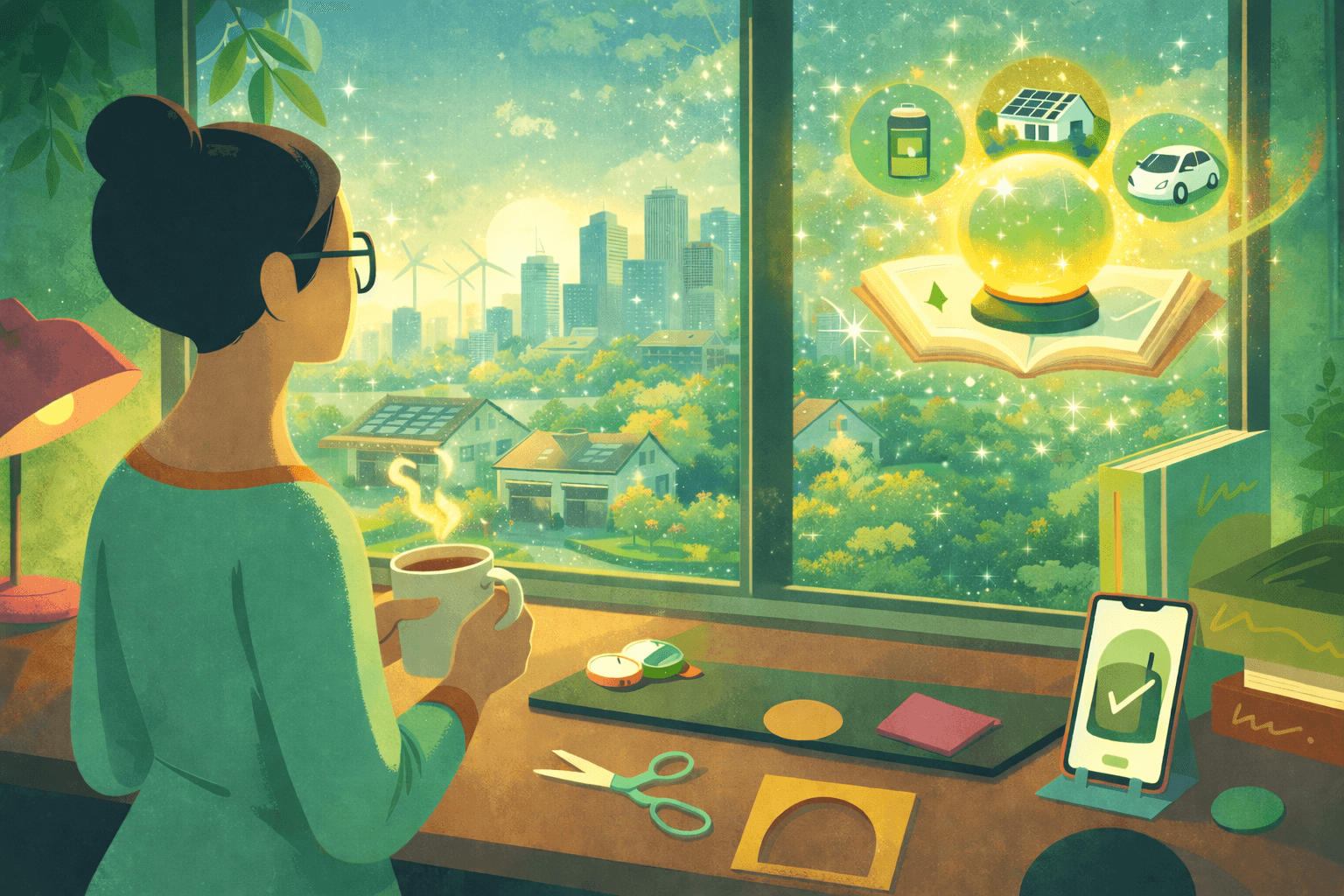
What if 2026 is the year we stop trying to live sustainably and just… do it without thinking?
The way things are going, it’s clear that the green movement isn’t just some passing phase. It’s reshaping how we live, what we buy, even how we take care of ourselves. People are done with fake promises and vague labels. We want real change we can feel in our homes, our food, our neighborhoods.
So here’s what I see coming. These are the shifts that actually matter. Some might surprise you, a few might make you pause, but they’re all part of the world we’re building together. Let’s get into what eco‑friendly living could really look like in 2026.
1. Why 2026 Is a Turning Point
If there’s one thing that’s become painfully clear, it’s this. The fight against climate change is no longer theoretical. Every year without action makes those big goals we set for 2030 and 2050 harder to reach. Scientists and policymakers are calling 2026 a make‑or‑break moment for real progress.
The money is backing that up. In 2024, sustainable investments reached 53 trillion dollars, making up over 35 percent of all professionally managed assets worldwide. Green bond issuance also hit a record high of 1.2 trillion dollars, a sign that the financial world is betting big on climate‑focused infrastructure and innovation.
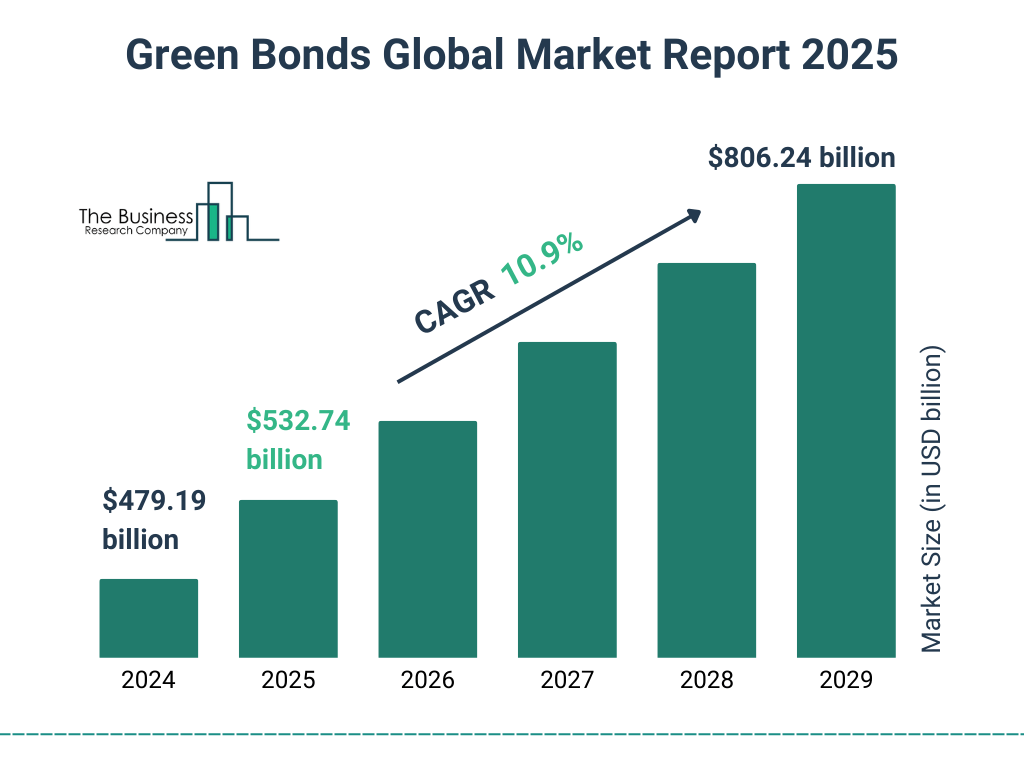
Tech is keeping pace. Billions are pouring into climate solutions, especially in industries that have been slow to clean up their emissions.
And while nearly 70 percent of global CO₂ emissions are now covered by national net‑zero pledges, the gap between promises and real action is still wide. That’s why 2026 matters. It’s when we’ll start to see who’s actually doing the work and who’s stalling out.
This year isn’t just another checkpoint. It’s the moment we start to feel the consequences of delay and the benefits of real action. What we do now shapes everything that comes after.
2. Tech Innovations That Will Change the Game
The breakthroughs coming in 2026 aren’t locked in research labs anymore. They’re showing up in industries, cities, and homes. From smarter energy to cleaner fuel to regenerative farming, these shifts are no longer just ideas they’re rolling out fast.
Carbon Capture Is Scaling Up
Carbon capture used to feel like a science fiction fix. But now it’s gaining real momentum. In 2024, the global carbon capture and storage market hit 8.6 billion dollars and is projected to grow more than sixfold by 2034, driven by tighter climate rules and global investments.
That said, there’s a reality check. Despite all the funding, current carbon capture projects still account for a tiny slice of global emissions, which shows both the promise and the scale of the challenge.
Green Hydrogen Breaks Through
Green hydrogen made using renewable energy is starting to break out of the lab. It still represents a small chunk of the global hydrogen supply, but costs are falling, electrolyzer tech is improving, and governments are pushing hard to scale it up.
This clean fuel has serious potential, especially in heavy industry and transport where electricity alone doesn’t cut it. National plans and partnerships are forming fast to build the infrastructure green hydrogen needs to compete.
Smarter Grids, Smarter Energy
Power grids are getting smarter and more responsive. In 2026, you’re more likely to see energy systems that use real‑time data to balance supply and demand, especially with renewables like wind and solar playing a bigger role.
Battery storage is also growing fast. Countries across Europe, for example, expanded storage capacity in 2024 to better handle the peaks and valleys of solar and wind power.
Regenerative AgTech Goes Mainstream
Soil isn’t sexy, but it’s powerful. Regenerative agriculture tech tools that restore soil health, increase yields, and capture carbon is catching on fast. This sector is projected to top 10 billion dollars by 2025, as farmers and investors look for solutions that are both sustainable and profitable.
This includes everything from precision irrigation to microbial soil boosters that replace chemical fertilizers. It’s tech that works with nature, not against it and that’s exactly the kind of innovation 2026 needs.
3. Consumer Behavior Shifts
Sustainability used to be a “nice‑to‑have” for shoppers. Now it’s a dealbreaker. People aren’t just asking companies to do better, they’re spending based on it. And by 2026, that pressure is reshaping what sells, what doesn’t, and how brands earn trust.
People Will Pay More for Sustainable Products But They Expect Clarity
Around 72 percent of consumers globally say they’re willing to pay more for sustainable products, and over half prefer to buy from brands that show they care about the planet. But here’s the catch that only holds if the product is clearly labeled and the price jump feels justified.
A lot of people still hesitate at the register. Confusing eco‑labels, vague promises, and inflated prices can all turn someone off, even if they care deeply about the environment. The takeaway for 2026? If brands want to win, they need to make sustainability both easy to understand and reasonably priced.
Younger Generations Are Driving the Shift
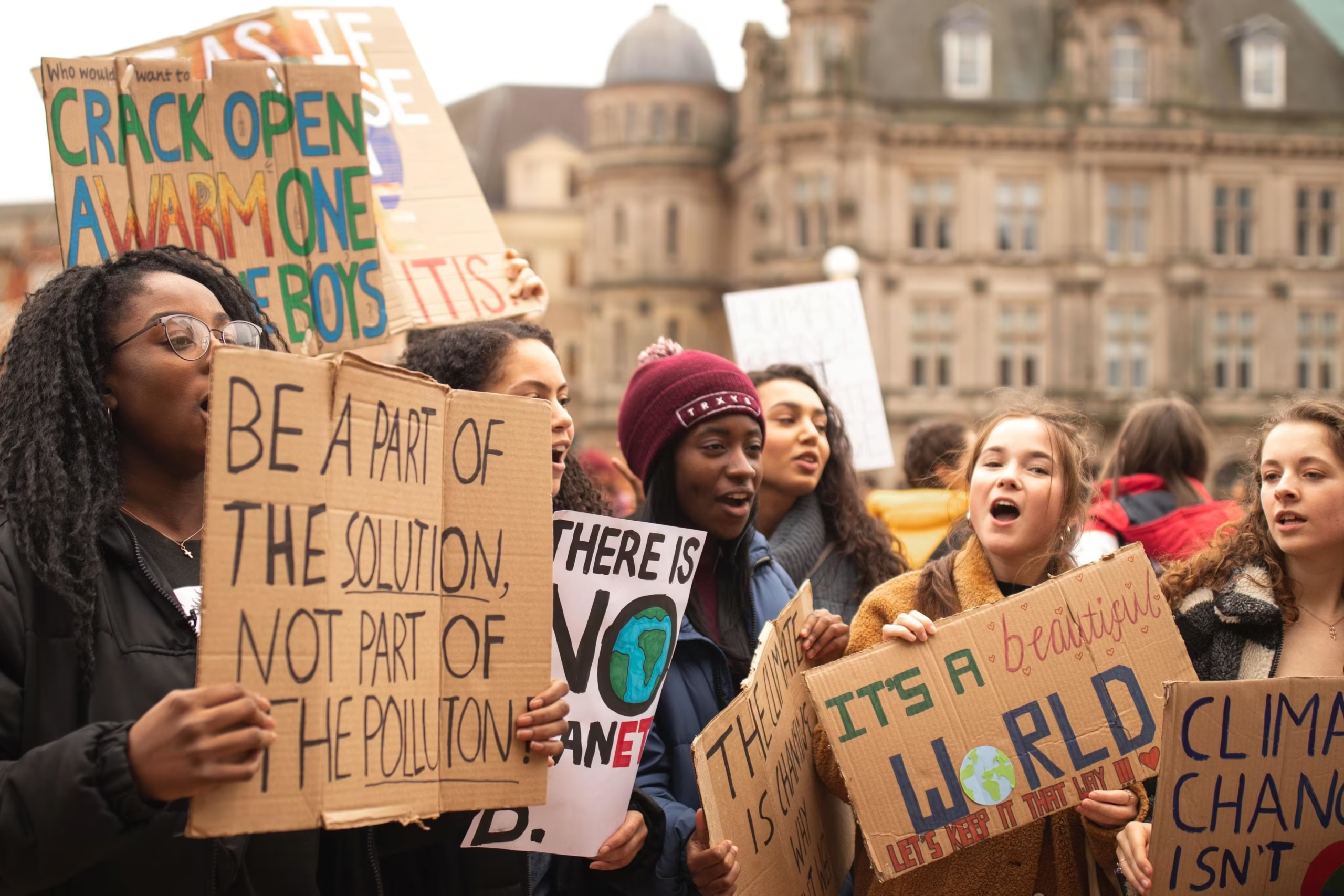
Gen Z and Millennials are leading this charge. They’re more likely to switch brands based on values, and many will even leave jobs if a company isn’t walking its sustainability talk. These aren’t just passive beliefs, they’re guiding real decisions.
As these generations gain more spending power, they’re setting new expectations. Transparency, ethical sourcing, and minimal packaging aren’t just “bonus points” anymore. They’re the new baseline.
It’s About More Than Green, It’s About Trust
People care about sustainability, but they also care about how it’s done. In 2024, surveys showed that many shoppers want to buy local, support ethical labor, and see real proof of a brand’s impact. It’s not just about carbon footprints. It’s about fairness, quality, and integrity.
This growing demand for “honest” products is changing how brands communicate. In 2026, you’ll see more companies being upfront about their supply chains, sourcing, and packaging: not because they have to, but because consumers are demanding it.
Skepticism Is Rising Too And That’s Not a Bad Thing
Here’s the flip side. Not everyone is sold on green claims. A large portion of shoppers still think sustainable options are too expensive, too hard to verify, or make too little difference, as per Deloitte. And honestly, that’s fair.
People are tired of greenwashing. The result? They’re getting smarter, asking better questions, and looking for proof. Brands that offer receipts not just pretty packaging are the ones that will earn long‑term trust.
4. Corporate Sustainability: From Buzzword to Boardroom Responsibility
In 2026, sustainability for companies isn’t just something to talk about. It’s becoming something they have to deliver. After years of glossy reports and big promises, the pressure on corporate sustainability is shifting toward real action, real data, and real accountability.
Concrete Action Beats Empty Promises

For years, companies have touted lofty environmental and social goals, but the gap between talk and action has become too obvious to ignore. In 2026, sustainability is moving from strategic ambition into real execution and measurable business value.
Firms are increasingly expected to embed environmental responsibility into their core operations, not just surface‑level statements about goals and pledges.
This means tracking the real impact of actions across operations and supply chains, measuring emissions properly, and showing how progress aligns with climate science and regulatory expectations. Sustainability is no longer a page in the annual report. It’s becoming part of how companies run their business.
Transparency Isn’t Optional Anymore
Customers, employees, and investors are demanding transparency not slogans. Surveys show a large share of consumers and workers want companies to expose their environmental efforts clearly, but many firms are still not sharing enough data to back up their sustainability claims.
That gap between expectation and disclosure is fueling a backlash against superficial green claims and pushing corporate leaders to be honest about what they are doing and how they track progress.
Greenwashing Backlash Is Real
As reporting and public discourse around sustainability have grown, so too has scrutiny of misleading claims.
Greenwashing; the practice of exaggerating or misrepresenting environmental credentials is under fire. Regulators and courts are taking action, with high‑profile cases and fines highlighting that vague or inflated claims can have serious consequences for reputation and legal risk.
At the same time, a new phenomenon called greenhushing where companies under‑report real sustainability efforts out of fear of being accused of greenwashing is also emerging. That highlights just how delicate navigating corporate sustainability has become.
Stronger Rules and Real Accountability
2026 is also shaping up to be a year where sustainability tracking isn’t just voluntary. Regulatory frameworks like the Corporate Sustainability Due Diligence Directive in the European Union are requiring companies to conduct due diligence to prevent environmental and human rights harm across their operations and value chains. This is a big step toward holding firms legally accountable for environmental impacts.
This regulatory momentum signals that sustainability is no longer a “nice to have” but a legal and operational requirement.
Sustainability Deliverables Are Competitive Advantage
The result is not just compliance but competitive advantage. Companies that integrate sustainability deeply into their business models from sourcing to product design to customer experience are better positioned to attract loyal customers, investors, and top talent.
5. Government & Policy Landscape
In 2026, what governments do or don’t do will have a huge influence on how fast sustainability becomes real in everyday life. Policies aren’t just big ideas on paper anymore. They are starting to affect trade, pricing, consumption, and the cost of carbon in ways people will notice.
New Carbon Rules Are Coming Into Force
One of the biggest shifts happening right now is how countries are pricing carbon. Carbon pricing systems, whether through taxes or emissions trading schemes, already cover a growing share of global emissions. And many governments are set to expand them to new sectors in the coming years.
Nearly one‑quarter of global carbon emissions are currently covered by these kinds of policies, and that number is expected to grow as countries tighten their climate rules.
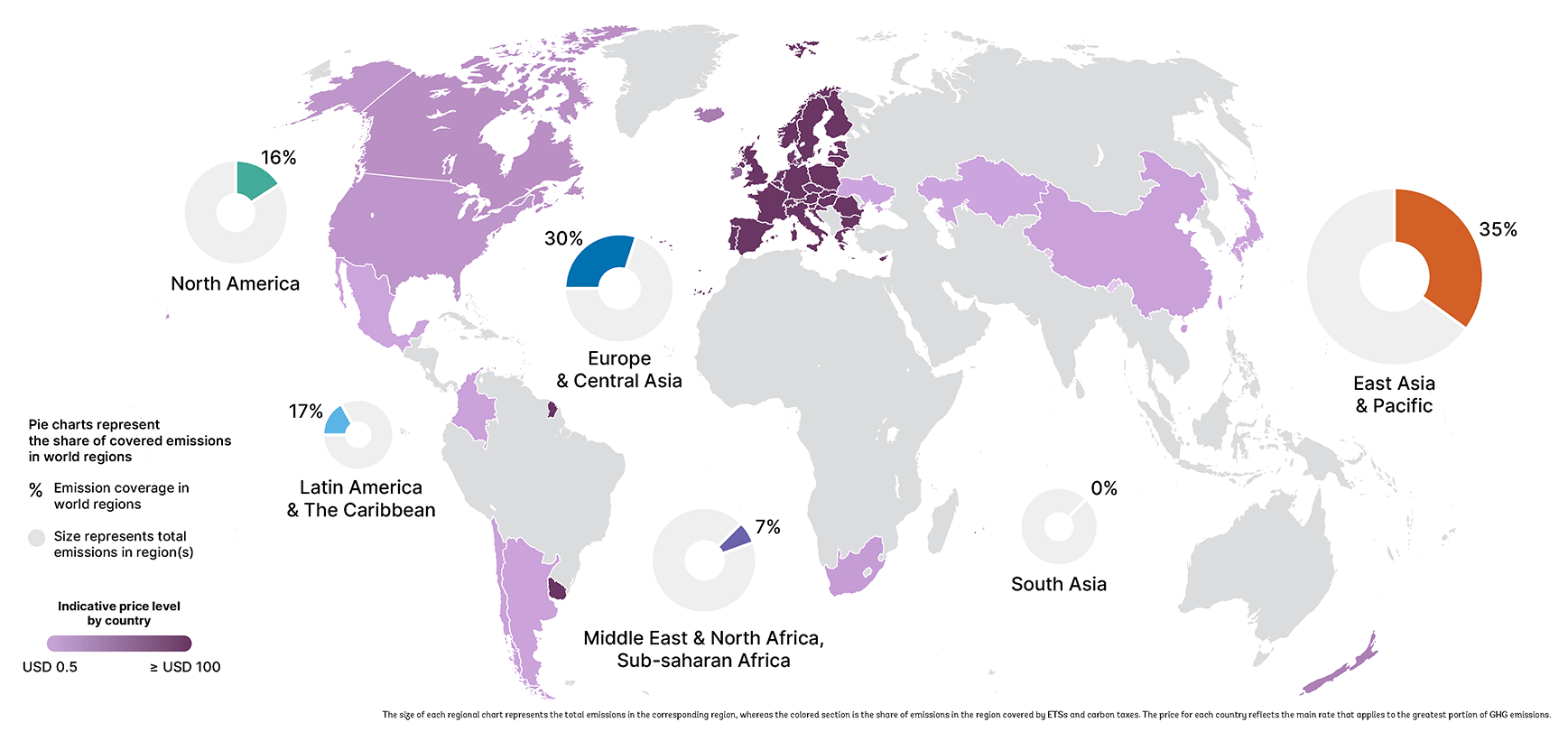
In Europe, the EU is rolling out what’s known as the Carbon Border Adjustment Mechanism. This effectively charges a “green tariff” on imported high‑carbon products like steel, cement, and fertilizer unless exporters can prove they meet low‑emission standards. That policy kicks in around 2026 and is designed to prevent companies from simply moving pollution to countries with weaker climate laws.
Climate Targets Are Becoming Stricter and More Visible
Governments are also tightening long‑term climate goals in ways that shape investment and compliance.
The European Union has agreed on an ambitious target to cut greenhouse gas emissions by 90 percent from 1990 levels by 2040. While this target still needs formal approval, it sends a strong message about where climate policy is headed and boosts pressure on trade partners to align with low‑carbon standards..
Building on policies like the European Green Deal, which aims to cut emissions by at least 50 percent by 2030 and legally bind net‑zero by 2050, governments are creating a policy environment where climate action can’t easily be ignored.
Plastic Waste, Circular Economy, and Recycling Rules Are Getting Sharper
Policy action is also expanding beyond carbon. The European Commission has recently announced new steps to harmonize circular economy rules, including plastics recycling frameworks that are expected to reduce waste and help modernize recycling markets across the bloc.
Carbon Pricing Is Becoming a Broader Global Tool
Across countries, carbon pricing is no longer limited to a few industrial sectors. Governments are betting on it as a way to both reduce emissions and raise revenues that can support adaptation or resilience efforts. This means by 2026, many more industries will be financially accountable for their emissions and that changes the economic landscape for businesses big and small.
Policy Pushbacks and Political Risks Still Matter
Not all government movements are forward. In some places, climate legislation has become politically contested, with leaders proposing rollbacks or repeals of key environmental laws. These shifts remind us that sustainability policy remains deeply tied to politics and public opinion.
6. Everyday Life in 2026
By 2026, the effects of sustainability won’t just be visible in big industries and policy announcements. They’ll show up in how people live, work, move, and even take care of their own bodies. Life will feel greener in ways you can see, touch, and feel.
Travel and Transportation Start to Shift
Flying hasn’t disappeared, but alternatives are getting more attractive. High‑speed rail is expanding in parts of Europe and Asia, offering journeys that are competitive with short‑haul flights in both time and cost.
At the same time, electric vehicles continue to grow. Global EV sales nearly doubled between 2020 and 2024, and that trend is expected to keep rising as charging infrastructure improves and batteries get cheaper.
People are also thinking differently about how they get around within cities. Bike lanes, electric scooters, and shared transit options are more common in urban centers, and flexible work schedules have cut peak‑hour traffic in many places, reducing emissions and commute stress.
Homes Get Smarter and Greener
Homes in 2026 look different than they did just a few years ago. Solar panels on rooftops are more affordable and more common, especially in sunny regions. Heat pumps, which use electricity more efficiently than traditional heating or cooling are replacing gas furnaces and air conditioners in thousands of houses.
Smart energy systems are showing up more often too. These systems can shift when appliances run based on electricity demand and pricing, saving energy and cutting costs for households. As home‑scale battery storage becomes more widespread, families can store renewable energy captured during the day for use at night.
Local Living and Community Spending Grow
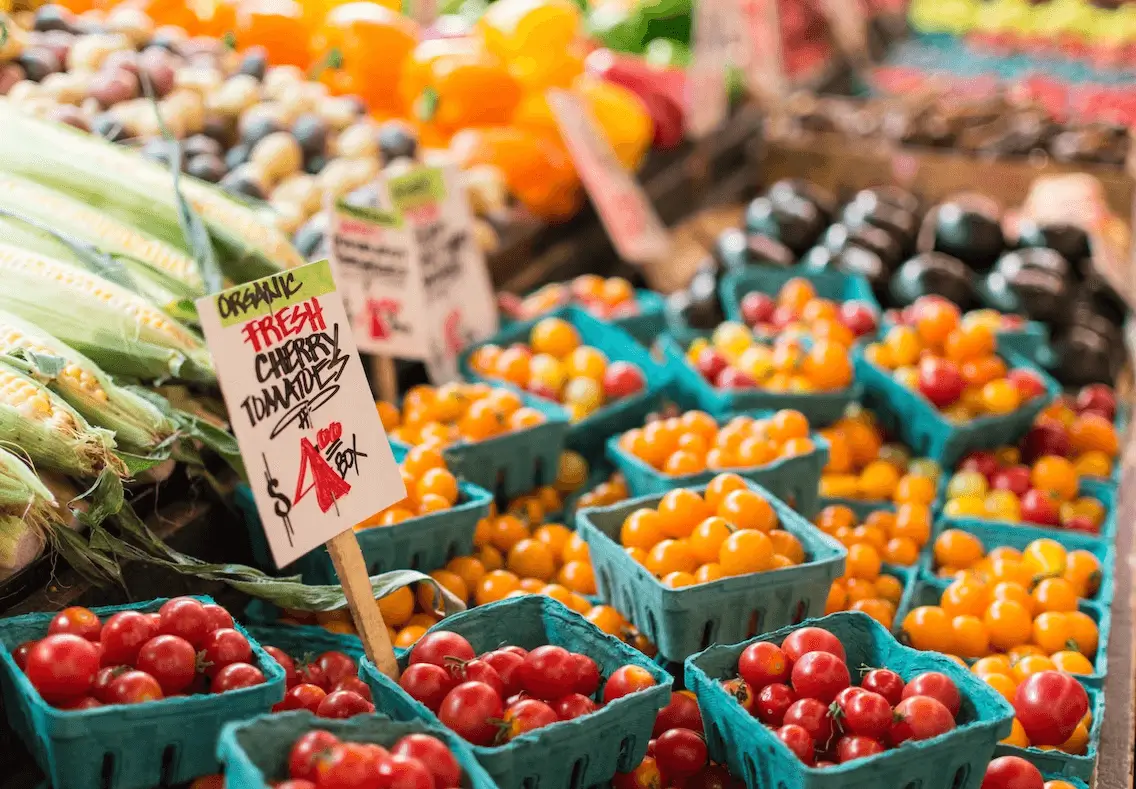
Buying local isn’t just a feel‑good slogan anymore. Many people now choose local farms, markets, and makers because it saves on transport emissions and supports community businesses. These habits have become normal enough that some local food and craft markets are rivaling major retail stores in popularity.
In cities and towns around the world, farmers’ markets and community‑supported agriculture programs have grown significantly since the early 2020s, giving people access to fresh, seasonal produce while cutting down wasteful packaging.
Biohacking Goes Green
One of the most interesting under‑the‑radar shifts is how people are approaching wellness with sustainability in mind. Biohacking used to be associated with flashy tech supplements and performance optimization, but by 2026 a greener version of biohacking has taken hold.
People are tuning their lifestyles based on what’s best for both their bodies and the environment. For example:
- Syncing daily rhythms with natural sunlight and sleep cycles instead of heavy reliance on artificial lighting and screens.
- Choosing plant‑based nootropics and herbs over synthetic supplements when possible.
- Practicing “forest bathing” and grounding in nature to reduce stress and boost mental health without gadgets or chemicals.
These habits are part of a broader belief that personal health and planetary health are connected. Green biohacking isn’t about optimizing for performance at all costs; it’s about living smarter with what nature already offers.
Consumer Choices Feel Environmental Impact
In 2026, more products display clear sustainability scores on their labels, similar to nutrition facts, showing carbon emissions, water use, and ethical sourcing. This kind of transparency makes it easier for everyday shoppers to choose products that align with their values.
Early versions of these labels appeared in pilot programs in Europe and North America in the early 2020s, and by mid‑decade this practice is spreading to more retailers.
People aren’t just buying green products more often. Many are avoiding products that pretend to be sustainable. That means brands that don’t back up their claims with transparent data are finding it harder to attract loyal customers.
7. Surprising and Controversial Predictions
Not all trends in sustainability are smooth or universally embraced. As we move into 2026, some developments could spark debate, pushback, or even reshape how we think about eco‑friendly living.
Eco‑Fatigue Becomes Real for Many People
Even as awareness of climate change remains high, there’s evidence that people can feel worn out by constant sustainability messaging. The term eco‑fatigue has started appearing more often in public discussions as people struggle with overwhelming calls to change habits, reduce consumption, and stay informed about environmental issues.
This fatigue can lead to burnout or resistance rather than action, especially when green messaging feels confusing or heavy‑handed.
Plant‑Based Food Growth Slows and Gets More Complex
Plant‑based foods have been one of the most talked‑about sustainability success stories. But recent consumer data shows the picture is far from uniform. In food categories like plant‑based meat and seafood alternatives, only a small portion of consumers buy them regularly, even though new products are growing in number.
Sustainable Luxury Becomes a Status Symbol

Sustainable products have often been positioned as premium or ethical choices. But as sustainable design and materials become more mainstream, an ironic twist could emerge: eco‑friendly living becoming a symbol of wealth and status.
Vintage and Circular Consumption Get Cooler
On the flip side, less conventional eco‑friendly trends may surge ahead of expectations. For example, vintage fashion and resale culture have been growing fast as people reject fast fashion and seek unique, sustainable clothing alternatives.
The market for clothing resale was already valued in the tens of billions and has grown much faster than traditional retail over recent years.
Renewed Focus on Nature‑Inspired Design and Bio‑Integration
A less obvious but powerful shift may come from sustainability practices that take inspiration from nature itself. Concepts like biodesign, where biological systems inform material creation, architecture, and other solutions are gaining interest as designers look for truly regenerative ways to create products and spaces.
How You Can Prepare
For Individuals: Five Everyday Moves
1. Track Your Footprint
Start measuring your environmental impact. Apps and tools that estimate your carbon footprint help you see where your biggest opportunities are, whether it’s travel, food, or energy use at home. Greater awareness leads to smarter choices over time.
2. Choose With Transparency in Mind
Look for products with clear sustainability information, such as carbon scores or ethical sourcing labels. Companies that openly share data about water use, emissions, and labor practices tend to be more accountable.
3. Support Circular Economy Practices
More reuse, repair, and resale means less waste and lower emissions. The global market for second‑hand goods has been expanding rapidly as people reject fast fashion and disposable culture, making resale and repair smart everyday habits.
4. Rethink Food Habits Beyond Buzzwords
Plant‑based eating matters, but it’s just one piece of the puzzle. Choosing seasonal, local produce reduces transportation emissions and strengthens local economies.
5. Invest in Your Home’s Energy Efficiency
Small upgrades like switching to LED lighting, smart thermostats, or energy‑efficient appliances can cut utility bills and emissions.
For Small Businesses: Five Strong Moves
1. Get Real With Your Sustainability Data
Measure and report key metrics like energy use, waste, water, and emissions. Clear data builds trust and gives you a roadmap for improvement.
2. Engage Your Supply Chain
Work with suppliers to reduce emissions and waste upstream.
3. Design for Repair and Reuse
Products that are easier to fix or that come with take‑back programs reduce landfill waste.
4. Join Local and Collaborative Initiatives
Be part of community sustainability efforts, from local recycling partnerships to energy cooperatives.
5. Train and Empower Your Team
Create a culture where sustainability is part of everyone’s role.
Tools and Resources to Get Started
- Carbon footprint calculators
- Lifecycle assessment tools
- Sustainability reporting standards like GRI or SBTi
FAQs
What actually makes a trend “eco‑friendly”?
It comes down to impact. An eco‑friendly trend reduces harm to the environment and is being adopted at scale.
Are sustainable products still more expensive in 2026?
Some are, but the gap is closing as production scales and demand rises.
Is electric transport now the default?
In many cities, EVs and electric bikes are becoming more common than gas‑powered options for short trips.
What role do governments really play in sustainability?
They set the rules from carbon pricing to waste laws that shape how fast change can happen.
Can one person actually make a difference?
Yes. Habits, choices, and conversations all add up when millions of people act together.
Final Thoughts
Sustainability in 2026 isn’t about waiting for the future anymore. It’s about what’s already here and what’s already changing. From the way we power our homes to how we shop, travel, and even sleep, eco‑conscious choices are starting to shape everyday life.
But this shift isn’t just about trends. It’s about responsibility. Whether you’re a business owner, a city planner, a consumer, or just someone trying to live with more intention, the choices you make now matter more than ever.
The good news? You don’t have to do everything at once. Start small. Stay curious. Ask questions. Support the systems that work, and challenge the ones that don’t. Because the future we’re talking about isn’t five years from now, it’s already happening.